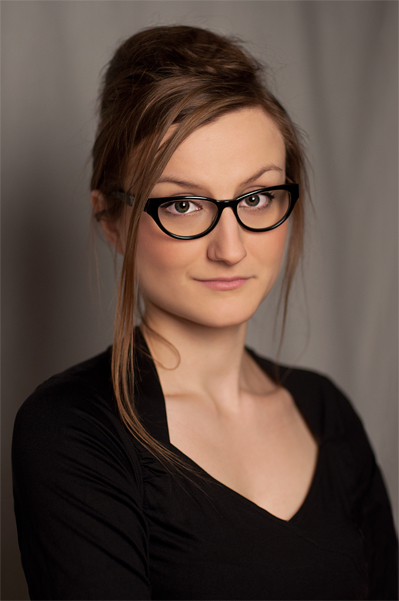
Guest post: Translation specialization and personality

Welcome back to our guest post series! Stay tuned, because soon we’ll have some news and changes on the blog. Meanwhile, enjoy Giulia Carletti’s post.

Welcome, Giulia!

IMG_6319

Translation lets you be everything you want to be

When I was 5 years old, I wanted to be a ballerina, even though back then I had never taken a dance class. Then, a couple of years later, I was obsessed with the E.R. series and I decided I wanted to be a surgeon: I was sure I could perform incredible operations to save people’s life, who cares if I was (and still am) clumsy and hopeless at anything even remotely crafty. Then, I moved on to wanting to be a journalist, but my fascination for anatomy and medicine never ceased. But at that age, oh, I loved writing so much! I liked inventing stories and coming up with slogans and creative ideas, to the point that my version of an advertising storyboard for a brand of chips had been sent to the factory so they could judge it. [The nutrition-lover me would object to having a 9- years old writing about chips, but that’s another story].

As every child, I was curious and all over the place, wanting to know more of most of the things I came across with. But even if the “X” of “I want to be X when I grow up” would change, something never did: my fascination for languages. English has always been my favourite subject, and I spent countless afternoons trying to translate song lyrics and articles, and the harder and more colloquial the expressions, the more I loved the research process and the challenge of saying it in Italian. After a few years in this business, I realised that working as a translator and interpreter has helped me achieve (almost) all of my childhood dreams.

Because when you translate, you face an exciting new adventure every day. You always use your analytical side, the one that helps you read the text and spot all the potential issues, making you say “I knew you were trouble!”, and you switch on this side again while proofreading. Then, depending on the topic, you tap at the different sides of your personality because, as Pirandello would say, we’re “one, no one, and a hundred thousand“. When I receive a brief and extensive guidelines for a creative project, I cannot wait to brainstorm and let all the words and ideas flowing – this is my playful side, the one that juggles words and makes them fit for the purpose and the client’s voice. But I am equally happy when I am preparing for a medical conference, having to go back to studying anatomy, letting my “scientific” side kick in.

It is the same for everyone: we all have different specialties that let us express our different interests and the diverse sides of our personalities. As translators and interpreters, we all are incredibly interested in many topics and want to dig deep – that’s one of the requirements of this job, after all. We are not afraid of being a student every day, of researching every day, of learning something new and eye-opening every day. We can (almost) become surgeons, lawyers, marketers, engineers, chefs… you name it! Although translation is a very serious business, we are entitled to have fun while doing it and we should make the most of all the opportunities we get to enjoy it, letting all the sides of our personality shine through our job.

Thanks to this profession, I could work wearing a scrub and looking exactly like Dr Corday in E.R. – what other job lets you wear a scrub even though you cannot cut straight with scissors? I’m still working on fulfilling the ballerina dream, though….

Do you feel like your different specialisations tap at different sides of your personality? Did you fulfil any dreams thanks to our job? Please let me and Caroline know in the comments!

Thank you, Caroline for handing your space over to me this time, it was a pleasure!

Thank you, Giulia, for accepting my invitation and kindly taking the time to write such an inspiring post! 🙂

About the author
giuliaGiulia Carletti from Words of Nona is a translator and conference interpreter from English and Spanish into Italian.
She specialises in marketing & transcreation, tourism, food, as well as medical interpreting. Being a word lover, she also works as a copywriter and in social media communication. She has a penchant for tennis, tea and travelling.

Guest post: Translation terminology

Welcome back to our guest post series! I hope you are all having a good week so far.

How about taking that nice coffee/tea/juice/lunch break and read today’s guest post? Our guest today is Raphaël Toussaint.

Welcome, Raphaël!

uZYSV4nuQeyq64azfVIn_15130980706_64134efc6e_o

Glossaries and terminology for freelance translators

Although I am quite confident that most if not all readers know what terminology is, here once again a quick and simplified definition:

Terminology is the vocabulary used in a specific domain, field or industry.

For most translators this means all the terms in their field(s) of specialisation which have a particular meaning in the concerned domain, as opposed to their general meaning (if both a generic and one or several uses exist).

It is however important to make a distinction between the different uses for terminology:

  • Academic
    From an academic or research point of view, terminology work is often descriptive and attempts to be exhaustive (including detailed categorisation of terms); the idea is to draw a complete picture of the terminology in a specific domain.
  • Corporate
    Terminology management in corporate environments tends to be prescriptive, i.e. a company uses terminology to specify which terms are to be used to convey a consistent brand image and which terms are forbidden in their content.
  • Translation
    In the context of translation and localisation, terminology and its management tend to be closer to the corporate than the academic approach. This is linked to the fact that content to be translated often comes from companies. It is also interesting to note that terminology in this context is bi- or multilingual and that the quality of the source terminology can have a huge influence on the effort needed to produce high-quality translations.

Translators often receive termbases from translation agencies (and sometimes also from direct clients) the content of which has to be used during translation or revision. In a best case scenario, such a termbase is consistent within itself and with any related translation memories and exhaustive as far as the content to be translated is concerned. In real world projects, this doesn’t occur very often and freelance translators have different ways how to react:

  • Be annoyed and unhappy about the provided material and the fact that it will take more effort and time to provide a good translation (and additionally they loudly complain about it on social media – Lloyd has provided really useful info about that in the guest post Professionalism in the age of social media)
    This approach obviously doesn’t help anybody because translators will need to invest additional time for each project for said client and will become more and more frustrated. The client doesn’t become aware of problems with their termbase and cannot improve the situation.
  • Add new terms to a personal glossary but don’t bother to inform the client
    This way, translators can at least keep consistency among new terms but it helps remedying existing inconsistencies or other quality issues since the client isn’t aware of them.
  • Use existing termbase but offer suggestions for improving the termbase or adding new terms
    Depending on the relation with the client or agency, translators can either just make suggestions while working with the existing terminology or they might have the freedom to implement improvements directly in the ongoing project.

Many freelance translators keep personal glossaries and this is a commendable and useful practice. A few things can make such a habit even more efficient:

  • It is preferable to keep distinct glossaries according to domains over having client-based glossaries. If you work in only one domain, a client-based approach makes more sense. In case you decide to keep only a single glossary, make sure to use attributes to be able to distinguish between domains and/or clients.
  • Choose the format of your glossaries wisely.
    • Paper will be the least efficient or reusable form, but it can be helpful and quick to jot down something on a sheet of paper, as long as you input it properly in the glossary later on.
    • Word documents are still quite popular, but it is difficult to categorize and sort terms in this format.
    • The most used format seems to be spreadsheets and they indeed offer a certain flexibility when it comes to organising terms. The biggest disadvantage is that you still have to manually search and copy/paste a target term you want to use while translating. The same goes for entering new terms to your glossary. But rest assured, there are ways to handle these issues.
    • Most CAT tools provide ways to look up and add terms directly from the translation interface. This is the most productive way of using and growing your glossaries. If you work with different CAT tools, compatibility however can be an issue, but more on a possible solution later on.
    • Stand-alone terminology tools are obviously well suited to look up, manage and grow glossaries and termbases but not every translator will want to invest in a license (however useful in general this might be). Additionally not only each tool will play nicely with all the CAT tools out there, but if it can export termbase or glossary contents in an exchange format like .tbx or .xml, things aren’t too complicated.
  • Even if you don’t intend to make your glossaries fully fledged termbases, it can be useful to stick to some basic terminology management rules like using base forms (unless a specific form regularly occurs in the contents you translate), be consistent among terms and adding a definition and/or a context sentence to make sure the meaning and usage of an entry is clear, even if you don’t use a glossary for several weeks or months.

In case you prefer to work with spreadsheets or your CAT tool doesn’t allow using or updating glossaries, there are still ways of making glossaries more efficient. For SDL Trados Studio users, there is a one stop solution in form of a free OpenExchange application called “Glossary Converter” which lets you convert spreadsheets into various formats like .tbx, .sdltb or .tmx. The brilliant Jayne Fox and Paul Filkin have provided articles on how to use this app:

http://foxdocs.biz/BetweenTranslations/the-quick-way-to-convert-glossaries-and-termbases-between-excel-and-multiterm/
http://multifarious.filkin.com/2012/09/17/glossaries-made-easy/

Thank you, Raphaël, for accepting my invitation and kindly taking the time to write about such an useful topic for us, translators! 🙂

How do you handle your glossaries?

About the author

After several years as a technical translator, Raphaël Toussaint has become a certified terminology manager and expert for tools and solutions linked to translation needs at ITP nv. Always interested in the technical aspects of the translation and localisation industry, he actively uses social media to grow his knowledge and share his expertise.
Between finding unusual solutions to challenges in translation project workflows and training colleagues in the use of various TEnTs (Translation Environment Tools), Raphaël also attends international professional events and is involved in local meetups and workshops in Brussels where he lives and works.
You can find Raphaël amongst others on Twitter and LinkedIn.

Guest post: Professionalism in the age of social media

Welcome back to our guest series, dear readers! I hope all of you are doing great and at full speed with whatever you are doing. 🙂 But how about taking a coffee/tea/juice/lunch break to read this awesome post by today’s guest, Lloyd Bingham? I assure you it will be worth it.

Welcome, Lloyd!

6HJtLkJSDqjqlE2NipEu_macbook

Professionalism in the Translation Industry

We need to talk about online professionalism

Professionalism is a word we hear a lot as translators. As an unregulated industry, we naturally need to set, maintain and enforce our own standards, so that we’re taken seriously by our clients and the wider world. Professionalism is not a new idea by any means, but there is a relatively new dimension to it that we have talked very little about: the effect that social media is having. Yet, as a new phenomenon that is damaging our industry’s reputation, we do need to talk about it.

Professionalism is a subjective word. Typically, though, many would associate this concept with politeness, empathy and fundamentally not insulting other industry members. These attributes should be inherent of any person who runs their own business, not just translators. Just imagine if we as freelance translators had to be interviewed for the job like any other – no-one would hire us if we lacked these qualities, and quite rightly so.

While freelancers naturally find it harder to draw the line between our personal and professional lives, our presence on social media exacerbates this. We have professional profiles on social media, but we often become close to our colleagues and accept them as friends on Facebook. This amity is incredibly admirable and I wouldn’t change this principle for the world. But social media are making it easier for us to be unprofessional.

Blurred lines

Social media as we know them today are only about a decade old and we are still seeing a boom in their use for professional purposes within our industry. They have given translators a new set of powers, but much like superheroes we need to decide whether to use those powers for good or for evil.

The problem is that we sometimes let our personal feelings affect our professional lives and then take it out on the keyboard. Passive-aggressiveness has sadly become the norm within online forums and a culture in which it is acceptable or even encouraged to attack our colleagues and clients has been fostered. Regrettably, it begs the question whether we are infringing professional ethics or the codes of conduct of any professional associations we may belong to (see the ITI Code of Conduct, for example – sections 1, 3.5, 3.6 and 5.4 in particular).

Shameless shaming

Social media have become a breeding ground for vigilantes. Rude, hateful language has become standard practice and swear words directed towards colleagues and clients aren’t given a second thought. It’s the modern day version of putting someone in the stocks and pelting them with rotten vegetables if they’re lucky, or burning them at the stake if they’re not.

Picture a doctor criticising his patient or a solicitor mocking her client online. This is practically unheard of in the most respected professions. And as the translation industry currently fights to be credited with the professional recognition that it deserves within society as a whole, unprofessional behaviour online amongst its members does a huge disservice to this and undoes the hard work of those campaigning for respect for our work.

A new generation of unprofessionals

When newcomers enter our industry, they observe the aggressive behaviour of established professionals and view it as the norm. Sucked in by this culture and those who spearhead it, they quickly become party to it in an effort to be accepted into the community; this is effectively training a new generation of hostile, cynical and defensive translators with a warped sense of conduct with colleagues and clients.

To say our industry has its problems would be an understatement: bottom feeders, non-payers, lack of understanding, scammers, the list goes on. Ranting, however, as previously pointed out by Corinne McKay (on her blog) and Andrew Morris (in his Book of Standing Out) serves no purpose. Other than an inflated ego, fifteen minutes of fame and the self-satisfaction from a few ‘Likes’. I don’t often quote Thatcher, but something she did say fits well here: “If you just set out to be liked, you will be prepared to compromise on anything at anytime, and would achieve nothing”.

Equally, self-pity does no good. And personal attacks are utterly out of line. Observe how you would never see some of our industry’s most recognised professionals, such as Nicole Y Adams, Tanya Quintieri and Chris Durban, who all voiced their support for Corinne’s article on this subject, being party to this behaviour.

The solution

No-one denies there are horrendous agencies, aggressive project managers, bad translators and evil scammers out there. And no-one should apologise for their internal animosity towards these and the emotions that accompany it. But we must be responsible in articulating our sentiments when faced with a problem.

From discussions with other professionals at the ITI Conference 2015, it is clear that the vast majority of translators are on the same page and agree there is no excuse for professionalism to be undermined in our industry. A change in mentality is severely overdue. The way we can go about this is not by suppressing problems, but by turning a problem into an opportunity:

  • Demanding clients are a good thing. They keep us on our toes and encourage us to challenge ourselves. None of us are in the profession for an easy ride;
  • Clients who won’t pay our rate or offer low rates are an opportunity for education. We should not waste it with patronising, smart alec answers. If they won’t listen, don’t work for them;
  • Clients who consistently don’t pay should be subjected to the formal procedures for recovering money owed. After a reasonable amount of time, it is appropriate to bring matters like these to the industry’s attention – albeit in a calm and professional manner – to inform colleagues and help them to avoid the mistake of working with that client;
  • Unsolicited emails from other translators, particularly those new to the industry,asking to work with you should be guided towards more appropriate channels of building up a client base. Otherwise, there’s always the ‘Delete’ button;
  • Criticism of our methods or ideas offer us a chance to challenge ourselves and promote healthy debate with our industry.

Not one of these issues has ever been solved with the anger, frustration and hostility that they are often been treated with. This leads to us becoming more closed-minded, distrustful, desperate, less ambitious and, ultimately, worse businesspeople. Some principles that should guide us when confronted with someone or something we don’t agree with are:

  • Assume good faith if faced with an undesirable scenario. Assume misguided views rather than malice. You will always be the bigger person;
  • Don’t take things personally. There’s no ‘I’ in translation community… there are two. The industry is bigger than a single person;
  • Don’t go in with all guns blazing. If there’s something that a client or colleague has done that still makes your blood boil, write an angry message… and then delete it;
  • Attack the argument, never the individual. Personal attacks are the epitome of unprofessionalism and any reasonable arguments immediately lose all validity once the sleeves are rolled up;
  • What happens in Vegas stays in Vegas. What goes on between our clients – potential or long-standing – is between us as individuals and them… no-one else. Not only is publically slamming unprofessional, you also risk breaking any NDAs you may have signed with clients and any codes of conduct of professional associations that you are a member of;
  • Set an example to the next generations. New translators are sponges. They absorb everything their elders say and do. Lead by example;
  • Challenge those who conduct themselves unprofessionally. As Edmund Burke allegedly said: “All that is necessary for the triumph of evil is that good men do nothing”.

We are all ambassadors of our industry and have a duty to represent it responsibly. We should not be victims waiting to be rescued from the bad people in our industry – that takes away the point of being a freelancer. Rather, our careers are in our own hands. Shouting over and blaming one another is for amateurs.

Great post, Lloyd! I agree with every word you said. Thank you so much for accepting my invitation and taking the time to write such fantastic content!

About the author
Lloyd Bingham_Profile PictureLloyd Bingham runs Capital Translations in Cardiff, UK, translating from French, German, Spanish and Dutch into English. He specialises in marketing and business and is also a qualified member of the ITI.
Known for speaking on translator and interpreter engagement in their industry, primarily through the medium of Twitter, Lloyd has also turned his attention to online professionalism following a palpable surge in client and colleague bashing on social media.

Guest post: How to find a translator (in Portuguese)

Hoje temos uma nova convidada na nossa série. Janaina Ribeiro é tradutora brasileira e mora no Brasil. O tópico dela é voltado para todos aqueles que buscam tradutores, mas não sabem por onde começar.

Bem-vinda, Janaina!

Globe

Como encontrar um tradutor

Quando alguém precisa da tradução de um currículo, artigo, website, ou documento oficial em outra língua, nem sempre sabe como ou onde encontrar um tradutor. Será que deve ligar para aquele amigo que fez intercâmbio? Talvez pedir para a professora de inglês traduzir? Quanto custa uma tradução? Será que demora? Para quem nunca contratou serviços de tradução, as perguntas são inúmeras e as certezas poucas. Este é um miniguia para quem precisa de uma tradução e não sabe por onde começar.

Vamos lá!

Antes de começar a sua busca por um tradutor, é importante saber que cada profissional se especializa em um ou mais tipos de texto. Isso é importante no caso de o seu texto ser de uma área especializada. Tem o tradutor da área técnica, médica, jurídica, literária, de TI, marketing, e por aí vai. O motivo é simples: para traduzir um texto, é preciso conhecer bem a área, dominar os jargões e o estilo de escrita. Traduzir não é substituir a palavra A pela B em outra língua; é, na verdade, um processo de reescrita. Tradutores buscam transmitir o conteúdo de forma fiel, porém natural, em outra língua.

Então o primeiro passo é determinar o tipo de tradutor de que você precisa. Feito isso, precisa encontrá-lo.

Onde encontrar tradutores

  1. Recomendações

Peça uma indicação para amigos e colegas. A profissão não é regulamentada no Brasil, então a recomendação de um ex-cliente satisfeito é sempre uma boa forma de encontrar profissionais idôneos.

  1. Tradutores juramentados

Para a tradução de documentos oficiais (certidões, documentos escolares, etc.), você precisará de um Tradutor Público e Intérprete Comercial, também conhecido como tradutor juramentado. Procure o website da Junta Comercial do seu estado, quase todos terão a opção “tradutores”.

  1. Diretórios de associações profissionais

Há diversas associações de tradutores no Brasil e no mundo. A vantagem delas é que você pode filtrar pelo par de línguas e especialização, caso seja necessário. Abaixo listo as maiores:

No Brasil:

  • ABRATES – Associação Brasileira de Tradutores
  • SINTRA – Sindicato Nacional de Tradutores

Nos EUA:

  • ATA – Associação Americana de Tradutores

Na Europa:

  • ITI – Instituto de Tradução e Interpretação
  • IAPTI – Associação Internacional de Tradutores e Intérpretes Profissionais
  • CIOL – Chartered Institute of Linguists
  1. LinkedIn, Facebook e ProZ

Você pode encontrar tradutores fazendo uma pesquisa no LinkedIn, em grupos de tradutores no Facebook, ou no diretório internacional de tradutores ProZ.

Caso decida postar em um grupo no Facebook, lembre-se de incluir o assunto do texto e o par de línguas de que necessita (por exemplo: website de turismo / português>alemão). Lembre-se de que poderá receber um número alto de respostas, então pode ser uma boa ideia abrir uma conta de email só para isso.

  1. Busca no Google

Por último, você pode fazer uma busca no Google, lembrando de incluir a área (por exemplo: tradução jurídica). Neste caso, os resultados geralmente são de agências de tradução. Se você precisa da tradução de um documento para várias línguas, ou mesmo de um volume alto em pouco tempo, pode ser interessante contratar uma agência.

Para se certificar de que o tradutor que escolheu é confiável, cheque suas referências online. A maioria dos tradutores possui websites e perfis. Você pode também pedir amostras de trabalho. 

Encontrei meu tradutor, e agora?

Negociação de valores e prazos

Depois de encontrar um ou mais profissionais qualificados, vem a próxima etapa. Ele ou ela precisará ver seu texto para elaborar um orçamento. O valor é calculado em cima do número de palavras, laudas ou horas e varia de tradutor para tradutor em função da sua experiência e especialização. No caso da contratação de um tradutor no exterior, combine como o pagamento será feito (por exemplo, PayPal).

Atenção: uma lauda não é o mesmo que uma página. O tamanho dela varia de tradutor para tradutor, e cada um especificará o número de caracteres da sua lauda. Se não o fizer, você pode perguntar.

O prazo levará em conta o tamanho do documento e outros projetos em andamento. Uma dica importante é não deixar a tradução para a última hora. A produção média é de 2000 palavras por dia, mas esse número pode variar bastante, tanto para mais como para menos.

Posso passar meu texto no Google Translate para o tradutor apenas revisar?

Poder pode, desde que combine antes com o tradutor e ele ou ela esteja de acordo. O que não pode é enviar um texto em outra língua sem avisar que passou no Google Translate ou programa semelhante.

Infelizmente, pode não ser tão fácil encontrar um tradutor profissional que aceite essa proposta. Como o resultado dos programas de tradução automática precisa ser refeito e corrigido, o que pode tomar mais tempo, é mais fácil para o tradutor fazer a tradução do zero. Há também considerações importantes sobre o sigilo. Caso seja um documento de natureza confidencial, não é recomendável utilizar programas gratuitos na internet.

Como garantir a qualidade?

Você pode perguntar para o tradutor como ele garante a qualidade do próprio trabalho. Muitos trabalham em parceria com revisores, por exemplo, ou usam softwares que ajudam a minimizar possíveis erros. Selecionar alguém especializado no tipo de texto que você precisa traduzir já é meio caminho andado.

É importante informar ao tradutor quaisquer preferências de terminologia ou estilo antes do início do trabalho.

Só preciso traduzir meu currículo / uma carta / um e-mail. Posso pedir para aquele colega que morou fora?

Depende do seu objetivo e de quem vai ler. Se precisar traduzir o currículo para uma vaga de emprego no exterior, uma carta ou e-mail para prospecção de clientes estrangeiros – ou qualquer outro cenário em que uma tradução impecável contará pontos a seu favor –, recomenda-se contratar um tradutor.

Acho que a tradução tem erros. O que eu faço?

Destaque os termos ou passagens que achar errados e envie para o tradutor com as suas dúvidas. Se for apenas uma questão de preferência, e não um erro de tradução, destaque isso também. Muitas vezes achamos que alguma palavra ou construção de frase está errada em outra língua porque não a dominamos, então é importante verificar se é um erro, uma preferência ou nenhuma das alternativas. O tradutor saberá justificar suas escolhas ou fazer as alterações necessárias em caso de erro.

Minha tradução é para uma empresa ou instituição e preciso de nota fiscal.

Antes de aceitar um orçamento, informe ao tradutor que precisará de nota fiscal e qual tipo (nota fiscal de pessoa jurídica ou recibo de pagamento a autônomo). É importante conversar sobre isso antes de dar o “ok”.

É isso. Espero que essas dicas tenham sido úteis e que você tenha uma excelente experiência com o tradutor que escolher.

Muito obrigada, Janaina, por ter aceitado meu convite e preparado um texto tão interessante para o blog! 🙂

Sobre a autora
Janaina - profile picJanaina Ribeiro é tradutora do par de idiomas inglês-português há 7 anos, especializada em comunicação corporativa, relações públicas e marketing. Atuou como tradutora interna em uma das maiores empresas de comunicação e relações públicas do mundo e em projetos para clientes corporativos de vários setores. É membro da Associação Brasileira de Tradutores (ABRATES) e da American Translators Association (ATA). Ela mora em Campo Grande, MS, e pode ser encontrada em janainaribeiro.com.br.

Guest post: Freelancer as a sole breadwinner

Today, we should have the second part of Israel Alves de Souza Júnior’s guest post, but we had a change of plans. Stay tuned for his post next week. Meanwhile, I can assure you will love today’s guest. It is a huge pleasure to have her on our blog, since she is one of my role-models, besides being widely well-known in our profession. Please give a warm welcome to Marta Stelmaszak!

Welcome, Marta!

photo-1429637119272-20043840c013

Freelance translator as a sole breadwinner: opportunities and challenges

The decision to go freelance may have different roots and causes. From sheer frustration with a working environment, to an entrepreneurial calling, professionals start their freelancing journey for a variety of reasons. Yet it hardly ever is a leap of faith. Freelancers, including many freelance translators I know in person, turn to running their own business often in situations where they can afford to – and of course that’s responsible, reasonable and safe.

The majority of freelance translators I know have a significant other who in part to the household expenses, or have themselves benefitted from previous careers in which they paid their student loans or mortgages off. There is, of course, nothing wrong with that and I never realised my situation was anyhow different until recently.

To give you a bit of background, I was supporting myself right through my higher education (I asked for it, leaving my country, parents and friends far behind), and jumped right into freelancing as my main and only source of income straight after graduating. For the past five, maybe six years, I’ve been a sole breadwinner for my one-person community. Now that it’s changed and I’m no longer sole, I’ve noticed a significant change in my circumstances. If you are a freelance translator who’s the main, or sole, breadwinner, I think you may have had similar experiences or thoughts.

Absolute freedom

On a positive note, if you’re a sole freelance translator, you can enjoy this absolute freedom to work any time you want, arrange your routine exactly the way you feel like and don’t feel like you’re affecting anyone around you. Truth to be told, it’s not solely applicable to sole freelancers, but if you have a partner, you’re most probably following some sort of a shared or negotiated schedule. Not that I miss it, but long gone are days where I’d pull an all-nighter or work right through the weekend with home food deliveries.

Survival instinct

Being a sole breadwinner, especially if you have others depending on you, can serve as a catalyst for your survival instinct. From my own experience, I know that it’s totally different to be faced with a situation where you have to do something about marketing your services or else you’ll be running out of money for rent, and the same situation where this means a slower month but it’s not a complete disaster. This survival instinct gives you strength to go out of your comfort zone and do things you haven’t thought you were capable of.

Determination

Another side effect is the determination you may accidentally develop as a sole freelancer. In my case, I knew that I had to find a way of growing my business and there were no other possibilities, nothing to fall back on if something goes wrong.

Health risks

On the flip side, all the sole freelance translators I know tend to be a bit neglecting when comes to their own health and condition. It’s so easy to stay up all night or just not eat properly, or work for 18 hours straight… I know I used to pay much less attention to my health and how I felt, always finding there were more important things to do, or issues that needed my attention. Of course, this was really damaging to my health, resulting in a long antibiotic treatment by the end of 2014.

More stress

I never felt I was particularly stressed back then, but now from a perspective of passing time and changed circumstances, I know just how nervous and overstressed I was on a day-to-day basis. Feast and famine periods, late payments, dealing with non-payers, currency fluctuations, these were recurrent topics in some of my worst nightmares. Sole freelancers tend to be exposed to these stress triggers much more, as of course they’d be affected more dramatically, but also there are very few people to share this worry with.

Workaholic tendencies

Do sole freelancers work more? This has proven to be the case in my scenario. I used to work much more than now, with lower productivity and generally less happy, but I did put more hours into my business. I secretly suspect I was a bit workaholic, while now I definitely have a much healthier attitude to work. What’s the push and what’s the pull?

If you’re a sole freelancer, have you experienced similar feelings or situations in your life? Do you agree with me?

Thank you so very much, Marta, for accepting my invitation and taking the time to write something to the blog! It is a huge pleasure to host you here, you being my role-model and all. 😀

I did have roughly the same experience as you: I used to work a lot more before than I do now. As I already told my readers over and over again, in my beginning, I used to work almost around the clock, sleeping threee to four hours a day at the most – when I slept. Nowadays, I work from 8 a.m. (or later, depending on my sleep needs) through 5 p.m., because I religiously go to gym every evening. I usually don’t work on weekends nor on holidays, except when necessary, of course. The benefits are way bigger than those of working too much.

Please do add your own experiences. 😉

About the author
4869smMarta Stelmaszak is a Polish and English translator and interpreter specialising in law, IT, marketing and business. She is a member of the Management Committee of the Interpreting Division at the Chartered Institute of Linguists and of the International Association of Professional Translators and Interpreters. Marta is also a qualified business mentor, a member of the Institute of Enterprise and Entrepreneurs and the Chartered Institute of Marketing. In 2015, she has been selected by IPSE as one of top 15 freelancers in the UK and graduated from the London School of Economics and Political Science.
Marta runs the Business School for Translators, an online course and entrepreneurial blog for translators and interpreters and published a book. Marta is active on Twitter and Facebook, where she shares information related to the business aspects involved in being a translator and interpreter.

Guest post: Brazilian military interpreting (in Portuguese) – Part 1

Sejam muito bem-vindos de volta à nossa série de publicações de convidados após duas semanas de férias desta que vos fala. 🙂 Voltamos com um convidado ilustríssimo que quem participou do Congresso da Abrates, do PROFT e/ou da Semana do Tradutor do ano passado teve a oportunidade e a honra de conhecer pessoalmente, como eu. Quem for participar do Congresso da Abrates deste ano poderá (ou seria deverá?) prestigiá-lo mais ou uma vez ou conhecê-lo.

Bem-vindo, Israel!

A evolução da tradução e interpretação militar brasileira
Parte I (1933 – 2004)

No atual cenário internacional, o Brasil tem se projetado mais e mais, seja através de seus ímpares recursos naturais ou de seus profissionais altamente capacitados. Assim também têm feito nossas Forças Armadas que, por intermédio de profissionais cada vez mais especializados, têm buscado no domínio dos idiomas estrangeiros a mais adequada e estratégica forma de destaque no âmbito das relações internacionais. Surge, então, no seio do Exército Brasileiro a figura do militar que atuará como intérprete e tradutor militar.

Assim, diante das dificuldades de comunicação apresentadas no teatro de operações, tornou-se imperativo o emprego de tradutores e intérpretes militares nestas operações militares. Entretanto, nota-se, ainda, um despreparo técnico na seleção e utilização deste, uma vez que deveria ser um profissional da linguagem com experiência sólida, formação adequada e aptidão para o exercício da arte de traduzir e interpretar em prol da paz mundial.

São dois os episódios que marcam o início da participação de militares brasileiros em iniciativas de organismos internacionais voltadas para manutenção da paz: a presença de um oficial da Marinha na Comissão da Liga das Nações que administrou a região de Letícia, entre 1933-1934, e de três oficiais, o Capitão-Tenente John Anderson Munro (Marinha), o Capitão Hervé Berlandez Pedrosa (Exército) e o Capitão-Aviador João Camarão Telles Ribeiro (Aeronáutica) na Comissão Especial das Nações Unidas para os Bálcãs (UNSCOB), que operou na Grécia, de 1947 a 1951. Estes três observadores militares atuavam apenas no lado grego da fronteira e eram acompanhados por um funcionário civil da Organização das Nações Unidas (ONU), oficiais de ligação gregos e um intérprete local.

Desde então, o Brasil participou de 27 missões de paz ou civis sob a égide da ONU e de missões estabelecidas pela Organização dos Estados Americanos (OEA), com observadores militares, policiais, peritos eleitorais, especialistas em saúde, tropas armadas, tradutores e intérpretes, como em Suez, na República Dominicana, Moçambique, Angola, Timor Leste e Haiti.

Quando a UNEF (1956-1966) foi criada e implantada no Oriente Médio e Faixa de Gaza, com a finalidade de intermediar o conflito árabe-israelense, e assim garantir a neutralidade e a paz na região conflituosa, a ONU houve por bem determinar que a língua oficial daquela missão de paz seria o inglês. Assim, esta se tornou a língua oficial de trabalho e de comunicação para todos os Contingentes e para todos os integrantes da UNEF.

O Brasil sabia que toda a comunicação para fora do Batalhão Suez, teria que ser na língua inglesa, mas nunca se apercebeu que deveria montar uma estratégia de ordem oficial, isto é, alguém que tivesse o pleno domínio e intercâmbio da língua estrangeira adotada na UNEF com os interesses do nosso Batalhão. Então, o Contingente Brasileiro valia-se tão somente de militares voluntários com a iniciativa de resolver a intercomunicação com as demais delegações da Missão e, em especial, nos assuntos administrativos junto ao QG da UNEF.

Enfim, aquela era uma falha que um dia deveria ser solucionada, pois a grande maioria do nosso pessoal, incluindo os Comandantes, não tinha o domínio do idioma inglês, e sempre se valiam de outro militar que, às vezes, era deslocado, às pressas, para resolver muitos dos problemas que tinham cunho oficial no QG da UNEF, em Gaza. A qualidade do serviço prestado, em muitas ocasiões, era, de certo modo, duvidosa, embora houvesse boa vontade dos envolvidos em resolver a questão. Surgiu, então, a ideia de se criar uma condição oficial, que pudesse bem representar o Brasil à altura das reais necessidades que se apresentavam à época.

Embora não se soubesse que a Missão se aproximava do final devido a Guerra dos Seis Dias que se avizinhava, a criação oficial da Seção de Intérprete no Batalhão Suez aconteceu no período do 18º Contingente, quando foi realizada uma reformulação da UNEF e o Brasil fora indicado para acumular uma nova missão. A Seção de Intérprete era uma necessidade bem antiga e acabou sendo instalada, graças à visão e participação do então oficial de logística do batalhão. Após sua implantação, não há como negar os méritos e os bons serviços prestados pela Seção de Intérpretes ao Batalhão Suez e à Missão de Paz da ONU no Oriente Médio.

No entanto, com o intuito de guarnecer a Seção de Intérpretes do Batalhão Suez, e com a devida aprovação da UNEF para designar três capitães para ocupar as funções, fez-se necessária a seleção de militares brasileiros naquele posto, que foram convidados a fazer um concurso no então Centro de Estudos da Linguagem, no Palácio Duque de Caxias (antigo Ministério da Guerra) no Rio de Janeiro. Esta seleção foi realizada por oficiais americanos da Comissão Militar Mista Brasil-EUA. Para tal, apresentaram-se quinze capitães, sendo escolhidos os três primeiros colocados. Assim, os integrantes da 1ª Seção de Intérpretes do III/2ºRI, Batalhão Suez foram o Cap Inf Walter Bazarov Cardoso Pinto, o Cap Art Werlon Coaracy de Roure e o Cap Inf Haroldo Carvalho Netto. Esse último trilhou uma carreira de sucesso com tradutor até o fim de seus dias, deixando inúmeros artigos e obras traduzidas publicadas.

Cel Haroldo

Cel Inf Haroldo Carvalho Netto (1932-2009)

Saltemos agora mais de 25 anos no tempo. Na missão em Moçambique, Operação das Nações Unidas em Moçambique – ONUMOZ, no ano de 1992, percebemos que o uso do intérprete militar retrocedeu, um pouco, em relação à experiência brasileira em Suez. Era no Comando Regional, em Beira, que ficava o único intérprete militar brasileiro; não porque tinha preparação para tal, mas porque era aquele que melhor podia se comunicar em inglês.

Já em 1994, na Missão das Nações Unidas para Verificação de Angola (UNAVEM), verificamos que naquela não houve a presença de intérpretes militares. Mais uma vez, como na ONUMOZ, a questão do intérprete fora relegada a segundo plano no contingente militar, apesar da falta de militares capazes de desempenhar funções que necessitassem de comunicação contínua e frequente em idioma estrangeiro. Esse foi mais um recorte no tempo e espaço que representa a notória era do “ei, você, que fala inglês, a partir de agora será meu intérprete!”. Ademais, os militares que eram “escolhidos” para serem os “ditos” intérpretes tinham que acumular outras funções de cunho admistrativo ou militar.

O Timor-Leste abrigou seis missões/intervenções sob a égide das Nações Unidas; entretanto, foi somente com o advento da INTERFET (1999-2000), que o Governo brasileiro, ouvido o Congresso Nacional, decidiu enviar um pelotão de 50 policiais do Exército e um oficial superior comandante do contingente brasileiro (CONTBRAS). Este contingente foi mobilizado em apenas uma semana, mediante a seleção de militares de uma mesma unidade em Brasília-DF. Fica claro que, mais uma vez, no transcorrer da história da participação militar em missões de paz, a função de tradutor e/ou intérprete fora deixada de lado. Durante a fase de treinamento, os militares receberam instruções sobre as atribuições básicas que teriam no Timor-Leste, mas nada foi falado a respeito do domínio do idioma; até porque, sabemos que para ser tradutor ou intérprete teremos que extrapolar a noção de domínio do idioma, chegando a atingir detalhes que permeiam uma cultura que não é a nossa. Tivermos, então mais uma edição do “ei, você que fala inglês, a partir de agora será meu intérprete!”

Será que estávamos fadados a perecer diante do processo decisório? Isto porque a falta de habilidade em se comunicar interfere diretamente na participação em momentos de tomada de decisão. Felizmente, veremos que, a partir de 2004, na Missão das Nações Unidas para a Estabilização no Haiti (MINUSTAH) daremos um salto de qualidade enorme; contudo, ainda precisaríamos de muita orientação, formação e treinamento para empregar aqueles que nos ajudariam em nossa próxima missão a desenvolver um trabalho que se tornaria um modelo consolidado de eficiência e capacidade operativa no terreno. Contudo, essa é a outra parte da história, a ser contada em breve. Aguardem!

LEITURA COMPLEMENTAR

AGUILAR, Sérgio Luiz Cruz (org.). Brasil em missões de paz. São Paulo: Usina do Livro, 2005.

FONTOURA, Paulo Roberto C. T. Brasil: 60 anos de operações de paz. 1ª ed. Rio de Janeiro: Diretoria do Patrimônio Histórico e Documentação da Marinha, 2009.

GUILLET, Jaime. Interpreters and translators: stories of people who’ve done it. 101 Publishing. 2012.

KELLY, Nataly et ZETZSCHE, Jost. Found in translation: how language shapes our lives and transforms the world. 1ª ed. Perigee, 2012.

RÓNAI, Paulo. Escola de Tradutores. 7ª ed. Rio de Janeiro: José Olympio, 2012.

SILVEIRA, Brenno. A arte de traduzir. São Paulo: Melhoramentos, 2004.

TAYLOR-BOULADON, Valerie. Conference interpreting: principles and practice. 3ª ed. Austrália, 2011.

Agradeço desde já, Israel, por ter aceitado meu convite tão prontamente e por ter dedicado seu tempo e esforço para nos proporcionar um conhecimento tão rico da história da tradução e da interpretação militar brasileira. É um enorme prazer recebê-lo aqui no blog!

Não percam a segunda parte do artigo na próxima semana! Enquanto isso, comentem, elogiem, perguntem! 😉

Sobre o autor

IsraelIsrael Alves de Souza Júnior é Capitão do Quadro Complementar de Oficiais (QCO) do Exército Brasileiro, tradutor, intérprete e coordenador do Estágio para Tradutores e Intérpretes Militares (ETIMIL) do Centro Conjunto de Operações de Paz do Brasil (CCOPAB). Em 2012, chefiou a Seção de Intérpretes do 16º Contingente da Companhia de Engenharia de Força de Paz (BRAENGCOY) na Missão das Nações Unidas para a Estabilização do Haiti (MINUSTAH).


Guest post: Technology evolution

Welcome back, dear readers! Please welcome today’s guest, Simon Berrill, an Englishman living near Barcelona.

Welcome, Simon!

c9e42240

Changing the world

Not long after I was kindly invited to write this post, my eight-year-old son started doing some work at school on inventions. That got me thinking about the changes in the world in the more than forty years since I was his age – and there have been quite a few. I suppose the most obvious one is the role played by computers and the Internet. When I was eight, no-one even dreamed about having a computer at home, and the idea of millions of computers being connected in an interactive network was the stuff of science fiction.

By the time I started work in 1986, things had changed considerably. Working on a local newspaper in eastern England, although I trained on a typewriter, I was part of the first generation of journalists to work with computers. We had Tandy portable word processors: a kind of laptop with a tiny screen only useful for writing. And we had to send our copy using a very primitive gadget that coupled the computer to an old-fashioned telephone receiver.

The Internet didn’t arrive until many years later. I used it a little while still a journalist, but I didn’t realise its potential until I moved to live near Barcelona and switched professions to translation. There will still be colleagues who remember the days of paper and typewriters, but I find it impossible to conceive of translation without computers, e-mail and the Internet. Aside from many other advantages, it’s now possible to check or look up things in seconds which in the old days must have required a whole day in a library.

But it isn’t really that side of the Internet I wanted to talk about in this post. What I’d like to concentrate on is the aspect that makes it possible for me to be doing this at all. Because, if you think about it, in the old days it would hardly have been possible for me, an Englishman living near Barcelona, to write this article for a person in Brazil (thanks for inviting me, Caroline), to be read all round the world. It’s easy nowadays to take these things for granted but the enormity of it shouldn’t be underestimated. Nor should the impact of the various networks we belong to, stretching across national boundaries: social networks, groups, e-mail lists, and so on. It’s easier to get professional information, advice and support than it has ever been before.

This, of course, is wonderful for us, but I think the ramifications go a lot further. In fact, I sincerely believe that these cross-national networks, which now exist in all sorts of areas of life, not just translation, are bound to have deep and long-lasting effects. We are probably still some years away from seeing exactly what these will be, but, when there are lasting links between so many people in different countries, it’s difficult to see how national boundaries can continue to mean as much as they do today. Whether this can prevent or end wars remains to be seen. Iraq, Syria, Ukraine and other continuing conflicts suggest otherwise. But it’s also clear that repressive regimes like the ones in China and North Korea, for example, fear the power of the Internet, and they may not be able to resist it for much longer.

Our networks also provide a powerful weapon for individuals against the power of large and multinational companies. Online product reviews and opinions can cut through the lies contained in expensive advertising. And any freelance who has ever seen a slow-paying client suddenly rush to the bank to pay when we threaten to destroy his good name online will know the importance of protecting a cyber-reputation.

If I’ve learned one thing from a lifelong fascination with history, though, it’s that the really important results of a change or initiative are rarely the ones we expect. To take just one example, we planned a mission to the moon believing it was the first step to the stars and we ended up still earthbound but with non-stick Teflon saucepans and Velcro-fastened shoes we don’t have to tie. Following this principle, the true results of the development of the Internet and social networks are likely to be unpredictable and unexpected. Perhaps readers of this blog would like to suggest some possibilities?

It is indeed amazing if we think about it, Simon. There are absolute no barriers for information anymore, and everything is instantly available, making life in general much easier. Thank you, for accepting my invitation and kindly taking the time to write something interesting to us. 🙂

Note: Please note that I’ll take a two-week vacation starting this Friday, therefore, there will be no posts for the next two weeks. Guest posts will be back on April 21st.

About the author
DSC_1732 (2)Simon Berrill is a British translator working from Spanish, Catalan and French into English and specialising in tourism, culture and journalism. He has been translating for 14 years after switching careers from journalism. He lives near Barcelona with his wife and son. You can find out more about him on his website: www.sjbtranslations.com or by reading his blog, Only Human Translators, which can be found at www.sjbtranslations.com/blog/.

Guest post: Subtitling software

Hi, my dear readers! Please do not think I do not love you anymore, because I certainly do. I hope you miss me as much as I miss you! 😦

As some of you may already know, I’ll be on vacation for two weeks in early April, so things are crazier than usual on this side of the computer. I promise I’ll give more attention to the blog when I return from my vacation.

For now, please welcome our return guest, João Souza.

Welcome, João!

Logo_GSUB_Ver_Fun_Esc

Genius Subtitler – a peek at the development of a subtitling tool

Genius Subtitler is a subtitling software designed by experienced professionals in the Brazilian Audiovisual Translation market. Our efforts are channeled at bridging the gap between expensive made-for-companies-suites and subtitlers, maximizing productivity and improving overall quality with the most needed features any subtitling software should offer for a fair price. GS is developed in a partnership between programmers and subtitling instructors with the intent to facilitate learning, mainly in on-line environments.

The roots of Genius Subtitler dates back to the years 2010/11 when the software started being developed by a major subtitling agency in Brazil. At the time, still just an intern and beta tester, I realized how the software had a positive impact on the workflow of the company and was eager to see it as a game-changer in the next few years. It is crucial to mention here that at that point most of the actors in the AVT industry in Brazil had no middle ground, companies as well as freelancers had either to afford expensive suites or resort to unreliable, limited and far from professional free solutions. The ever growing AVT market alongside with its inherent technical aspects dictated by more recent audiovisual content distribution technologies, like streaming, and the demand for faster turnarounds called for affordable and efficient software solutions. Unfortunately, by reasons beyond my power, the software, which by the time was widely used by employees and contributors, had its development halted. However, this fact actually marked the beginning of a new chapter for Genius Subtitler.

As a subtitling instructor, training new subtitlers and also helping in the updating of subtitlers’ skills from companies where I have worked as a consultant, I realized that working with the above mentioned free and amateur software solutions was like banging my head against a brick wall. And that was when I contacted the company that started developing Genius and was surprisingly welcomed to bring the project back to life. I have taught on-line Subtitling courses through ACME E-Learning where I am director of pedagogy, so the first issue addressed was the ease of use of the software’s interface. We had to be sure it was accessible and clean enough to help subtitlers concentrate only in the information they need for a job, be it translating from scratch, working with a template, proofreading or during quality check. Then we worried about proofreading features that allowed clearer and more precise feedbacks to help apprentices on their way to join the workforce and last but not least productivity boost features aimed at facilitating mostly the technical aspect of subtitling.

Although it has been designed with apprentices in mind, Genius Subtitler is a professional scalable tool capable of being seamlessly integrated to the workflow of companies irrespectively of its size as well as meeting the needs of individual freelancers.

Anyone remotely related to the field of translation knows about the technological challenges we have to face, and I dare to say these challenges are maximized when we are dealing with audiovisual content, however challenges are the fuel that keep us at Genius Soft going. So you might be asking yourself about what the future holds for us… well, check our Facebook page and website for news and stay in touch. By now, all I can say is that we are extending our expertise to Dubbing Translation and Audio Description and looking forward to incorporate new features to Genius Subtitler.

Thank you, once again, for accepting my invitation and taking the time to write to our blog, João! I’m not a subtitler, but it’s a pleasure to publish about the software. I’m sure a lot of people will benefit a lot with it. Great job! 🙂

About the author
P.002João Artur Souza is the Pedagogical Director at ACME e-Learning, where he teaches on-line courses, webinars and workshops on a regular basis. He is a visiting professor at Universidade Veiga de Almeida (UVA) teaching an Audiovisual Translation non-degree graduation course. João Souza has been a translator since 2009, having translated more than 200 hours of different genres for major TV broadcasts. His abilities extend to QC, proofreading and subtitler’s training.
He is a graduation student at PUC-Rio working on his dissertation on subtitle processing.

Guest post: Credit notes – Part 2/2

We’re back with the second part of Nancy Matis’ guest post on credit notes. Enjoy!

Read Part 1

Example of a credit note for a translation project.

CN_Example 

Download it in MS Excel format

    5. When to issue a credit note

You need to create a credit note when you have sent an invoice to the client that can no longer be changed. If the invoice has not yet been registered in the client’s and subcontractor’s accounts, it will still be possible to amend it without having to create a credit note. However, once the invoice is formerly registered in any of the parties’ accounts, the only official method of cancelling it (or part of it) is to issue a credit note.

Another way of avoiding a credit note is to credit the amount in question on the next invoice. In this case, the subcontractor submits an invoice for the new jobs delivered and adds a line with a negative amount, which is the amount to be credited to the client. Obviously, this procedure will not apply when the problem concerns incorrect official information on invoices.

Occasionally, clients will request a credit note even if the subcontractor has not sent his invoice yet. This could happen when a client is checking a translation and considers that the level is not up to the quotation amount agreed upon beforehand. In this case, if the translator or the translation company accepts the quality problem, they will not need to actually generate a credit note as they will simply reduce the amount of the next invoice.

    6. How to settle credit notes

There are two ways to credit clients the amounts due:

  • You pay the client the amount specified on the credit note.
  • The client deducts the credit note amount from his next payment.
    Let’s suppose that after sending several invoices for a total amount of 4,000 euros, you issue a credit note of 600 euros. The client will only pay 3,400 euros on the due date. This exempts you from a payment, but forces you to perform some extra calculations.

    7. How to avoid having to issue credit notes

When they are linked to quality problems reported by the client, this is not always easy. Ensuring you conform to all the clients’ requirements and don’t make any indisputable mistakes is obviously a must. Still, some clients might continue to ask for credit notes simply arguing that they do not like your translation style. In this case, it is probably preferable to stop working for them.

It goes without saying that you should double-check which official information needs to appear on the invoices. However, sometimes, the requester might not even know himself and provide you with the wrong information.

If possible, when the data that needs amending is the name of a contact person or a PO number on an invoice, find out from the client whether it is really necessary to issue a credit note and a new invoice. Sometimes clients might agree to correct such data internally to avoid extra paperwork.

Provided the compulsory legal information is present, you can normally prepare your invoices the way you want. Most subcontractors do not like to be told how to format them. On the other hand, many clients have specific rules and preferences and might block or delay the payment of some invoices by arguing that you failed to comply with their internal accounting policy. It might, therefore, be preferable to adhere to their guidelines to receive payment as soon as possible.


Unfortunately, in most cases, registering credit notes and potential new invoices will indeed delay the payment process, as issuing credit notes is time-consuming. First, you have to find out why they are required and discuss this with your client. You then have to create the credit notes, submit new invoices and record both. Next, you have to pay them or track the payment of the reduced invoices. Finally, your accountant has to enter all this extra data in the financial system and monitor the accuracy of the final account.

All this costs money. Not only for the subcontractor, but also the client. That’s why clients and translation agencies should, ideally, refrain from asking for credit notes unless they are an absolute necessity, and they should definitely remain an exception rather than the norm.

Thanks, once again, Nancy, for such a great content contribution! 🙂

Now, do you have any questions left about credit notes after reading such a thorough post?

Republished by the author on LinkedIn.
YouTube video created by the author on the topic.

About the author
26e705fNancy Matis is the author of the book “How to manage your translation projects”, originally published in French and recently translated by her partner company in the UK. Nancy has been involved in the translation business for around 20 years, working as a translator, reviser, technical specialist, project manager and teacher, among other roles. She currently manages her own company based in Belgium, specialising in localisation, translation project management, consulting and training. She teaches at numerous universities across Europe and has published several articles about translation project management. During these past few years, she has also been involved in some European projects, designing and evaluating training materials for future translators and project managers.

Guest post: Credit notes – Part 1/2

Hi, dear followers! Having an awful day on this side of the computer. Hope yours is/was better.

Today’s guest post, by Nancy Matis, is split in two parts. You’ll read the first today and the second next Tuesday.

Welcome, Nancy!

photo-1423666639041-f56000c27a9a

Credit notes for translation projects

Translation companies, translators or any other participant in a translation project might find that they have to issue credit notes. Most of the time, credit notes are associated with quality complaints, but many other reasons might prompt a client to ask for one.

In this article, I will briefly go through the information this type of document contains, explore the reasons why credit notes are requested and explain how to avoid them.

  1. What is a credit note?

A credit note is a document produced by a subcontractor stating that a certain amount has to be credited to the client. This amount can equal a previously issued invoice, part of an invoice or even the sum of several invoices. It will be repaid to the client or deducted from future payments by the latter.

  1. What information is compulsory on a credit note?

The content of a credit note is very similar to that of an invoice. It should always include the following information:

  • Contact information of the client and the subcontractor
  • VAT registration number of both of them if VAT applies in their country and if they are VAT registered
  • Financial data of the subcontractor
  • Credit note number
  • Issue date
  • Amount to be credited
  • VAT percentage applicable
  • Grand total of the credit note, VAT included
  1. What other information might be added to a credit note?

The due date and the client’s financial details are actually optional, but they can obviously be included.

The identification number of the related invoice(s) as well as the reason(s) for generating this document can also be mentioned.

Depending on the client or the subcontractor, other information could be added, such as the name and number of the translation project(s) to be credited, the project manager’s name, the requester’s details and so on.

In all cases, the “CREDIT NOTE” terms should clearly state the nature of this legal document, so that it cannot be confused with a new invoice.

  1. Reasons to issue a credit note

a. Translation quality problems

Sometimes clients require a credit note when they are not happy with the quality of a translated text. Before agreeing to issue such a document, the translator or the translation agency should receive accurate feedback or take a very close look at the final target text sent back by the client to assess the scale of the problem.

Judging the quality level of a translation is often subjective. Therefore, before acknowledging a quality problem, you should make sure that unquestionable mistakes are present, such as typos or failures to comply with glossaries, style guides or any instructions provided by the client.

After some discussion, the client will hopefully drop the credit note request or at least agree to decrease the required amount to be credited, for instance from 50% of the job budget to 15%.

b. Other project problems reported by the client

Credit notes might also relate to complaints linked to production tasks other than pure translation, for example the desktop publishing of some target files, the testing and debugging of the localised software, the rebuilding of Flash animations or even the creation of a multilingual website. If the client estimates that the final result is not worth the amount initially quoted or invoiced, he might insist on getting a credit note for a specific value.

Some dissatisfaction could also relate to project management tasks, for instance failing to deliver a translation project on time. Missing a specific deadline could be highly detrimental to a client, who will demand compensation from the provider.

c. Mistakes in some compulsory data

If some key data on the invoice are not correct, such as the company address or VAT number, the client will ask the subcontractor to issue a credit note stating the same “wrong” data and to create a brand new invoice showing the correct information. Imagine a Translation Project Manager (TPM) providing localisation services to a client contact based in a subsidiary of an international company and addressing his invoice to this local office. When the client’s accountant starts paying the invoices, he suddenly realises that this specific invoice was meant for head office. He will consequently require a credit note to cancel the first invoice in his accounts. Similar cases could also occur due to company mergers.

Regarding other erroneous data that could appear on an invoice, some clients will demand a credit note while others will simply change the data themselves or even register the invoice containing the mistake. The final amount stated on the invoice might not exactly match the price the client was expecting, but he pays it anyway, especially when it is lower than planned.

d. Non-compulsory information errors

The internal policy of some companies, whether they are end-clients or translation agencies, dictates certain guidelines for the content of the invoices to be received. Failing to follow them could lead to a request for a credit note.

Let’s imagine you work for three project managers (PM) within the same translation agency and, at the end of the month, you issue one single invoice including all your jobs. Depending of their internal approval policy, some agencies prefer to receive one invoice per PM. In this case, you would have to send a credit note cancelling the first invoice and reissue three new invoices, each listing the work delivered to the different PMs.

Similarly, many clients use Purchase Order (PO) numbers for translation jobs. Forgetting to include those numbers or referencing the wrong ones on invoices might prompt them to ask for a credit note.

A subcontractor might also mistakenly invoice one job twice. If he included several translation jobs on his invoice, the client will either require a credit note only for the amount of the duplicate job, or opt for a credit note covering the whole invoice and ask the subcontractor to reissue the complete correct invoice.

Read Part 2

Thanks, Nancy, for accepting my invitation and kindly taking the time to write such a great contribution to our blog!

Stay tuned for the second part next week, where Nancy also provides an example of a credit note for translation projects.

About the author
26e705fNancy Matis is the author of the book “How to manage your translation projects”, originally published in French and recently translated by her partner company in the UK. Nancy has been involved in the translation business for around 20 years, working as a translator, reviser, technical specialist, project manager and teacher, among other roles. She currently manages her own company based in Belgium, specialising in localisation, translation project management, consulting and training. She teaches at numerous universities across Europe and has published several articles about translation project management. During these past few years, she has also been involved in some European projects, designing and evaluating training materials for future translators and project managers.