Guest post: Linguistic coordination (in Portuguese)

Welcome back to our guest series! Today’s guest is Bárbara Weninger, and she will talk about her job as a linguistic coordinator at one of the largest localization companies in the world.

Welcome, Bárbara!

Source: http://bit.ly/1ji5PQl

Coordenação linguística de projetos de tradução

Comecei a trabalhar na área de tradução há nove anos, como estagiária em uma empresa de tradução, aqui em São Paulo. Depois de uma pequena temporada nos Estados Unidos após concluir a faculdade de letras, em 2008/2009, voltei ao Brasil e passei a trabalhar para uma das principais empresas de localização do mundo. Atualmente presto serviço para essa empresa como coordenadora linguística de duas grandes contas e hoje vou falar um pouco sobre o meu trabalho e os ingredientes importantes para coordenar uma equipe bem-sucedida.

Na área da tradução, assim como em diversas outras, cada cliente tem exigências específicas, uns mais, outros menos, assim como materiais de referência próprios que os tradutores precisam obedecer para entregar um trabalho que esteja de acordo com o nível de qualidade exigido. Entre os dois clientes cujas contas eu coordeno, um deles é especialmente exigente, com um nível de detalhes bem específico, o que acaba dificultando até mesmo encontrar mais recursos para colaborar conosco nessa conta. Visto que a curva de aprendizagem é longa, pode levar meses para um tradutor internalizar todas as nuances necessárias para um trabalho satisfatório e, pela minha experiência, posso dizer que muitos tradutores não têm paciência para clientes de alta complexidade.

Meu papel como coordenadora linguística é garantir que os recursos cumpram as exigências do cliente e, como consequência, entreguem traduções de alta qualidade, além de tentar facilitar ao máximo a vida deles para mantê-los na conta. Para obter sucesso nessa questão, existem alguns itens cuja alta qualidade é essencial: material de referência, feedback, comunicação e colaboração. A seguir, veja os fatores que contribuem para que cada um desses itens seja considerado satisfatório.

  • Material de referência: um bom material de referência é aquele que não contém inconsistências, é coerente, direto e sucinto. Os glossários precisam conter definições claras e o mais específicas possível para o contexto em questão. Muitas vezes, mais de um glossário é compilado por cliente, de acordo com os produtos ou serviços oferecidos. No caso dos guias de estilo, além das características já citadas, é muito importante que eles contenham exemplos ilustrativos e práticos para ajudar o tradutor a identificar e aplicar as regras no contexto real da tradução. Muitas vezes, o cliente é responsável pelo conteúdo do guia de estilo e do glossário, mas abre à equipe de tradução a possibilidade de enviar sugestões, e isso deve ser aproveitado ao máximo. Meu trabalho, além de enviar sugestões ao cliente, também envolve manter todo o material atualizado com as instruções mais recentes, organizado e acessível a todos os interessados.
  • Feedback: é essencial educar os tradutores e revisores com relação ao que se espera deles. Se eles receberem uma instrução inicial, entregarem um trabalho e nunca mais ouvirem falar daquele job, dificilmente avançarão na curva de aprendizagem e provavelmente não alcançarão o nível de qualidade que seu cliente requer, especialmente se for um cliente exigente e detalhista. Mesmo que o tradutor não apresente um desempenho muito satisfatório em suas primeiras tarefas (do ponto de vista de estilo e glossário), isso não significa que ele não poderá evoluir se as alterações realizadas no trabalho dele chegarem a suas mãos em tempo hábil, quando ele ainda estiver com suas escolhas para aquele job frescas na mente. Se o tradutor analisar as correções e entender o motivo delas, poderá evoluir consideravelmente. Feedback bom é feedback constante! Caso ele não apresente nenhum progresso nos trabalhos subsequentes, apesar dos feedbacks, das instruções e das conversas, aí sim é hora de testar outros recursos. Assim como o feedback ao tradutor, aquele que recebemos do cliente também é crucial para manter uma qualidade satisfatória da conta. Analisar, responder e encaminhar os comentários do cliente aos recursos internos o mais rapidamente possível contribui muito para que o resultado do nosso trabalho esteja sempre bem alinhado com as preferências do cliente.
  • Comunicação e colaboração: esses dois pontos estão intimamente relacionados tanto entre si como também com os pontos anteriores. Sem uma comunicação aberta entre todas as partes envolvidas (a equipe de tradução, gerentes internos e o cliente), muitos detalhes do processo perdem-se, especialmente nas equipes como a minha, em que todos os recursos trabalham remotamente, em diversas partes da cidade, do estado e até mesmo do país. Uma equipe com membros dispostos a colaborar uns aos outros, tirar dúvidas, dar sugestões, pedir e oferecer ajuda frente aos problemas mais complicados ou mais simples (como quando a tradução daquela frase simplesmente não sai) é valiosíssima. Uma equipe colaborativa e comunicativa evolui sempre, enquanto aquelas que não têm essas características, por mais qualificadas que sejam, passam por muitas dificuldades e acabam prejudicando o resultado do trabalho que realizam. Com a infinidade de formas de comunicação disponíveis e ao alcance de todos atualmente, ninguém tem desculpa para não se comunicar!

Obrigada, Carol, pelo convite e espero que o breve relato da função que exerço possa auxiliar os leitores do seu blog de alguma forma. Obrigada por lerem!

Thank you, Bárbara, for promptly accepting my invitation and kindly dedicating your precious time in writing to our blog. It was a pleasure featuring you here. I loved learning a bit more about your job, and totally agree with all the points you made! If the client and the service provider have a good relationship, one in which both can give and accept feedback, the service tends to be better provided.

I’ll take the chance to remind you that we already had a guest talking specifically about feedback, César Faria. Here’s the link, in case you missed it.

Remember: comments and feedback are always welcome!

About the author
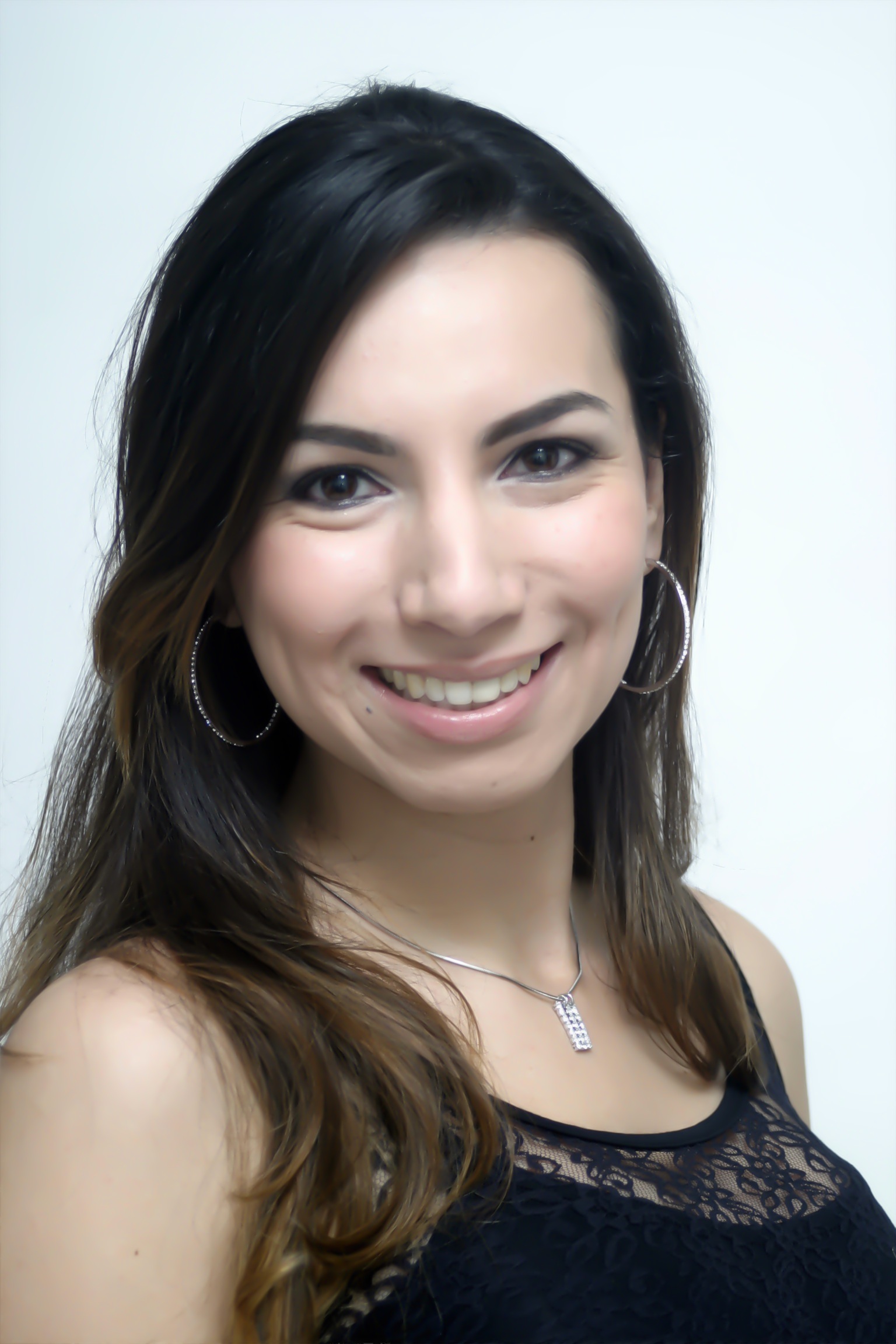
foto7Bárbara Weninger Vitorino começou a trabalhar na área de idiomas cedo: com 17 anos, ela era professora de inglês em uma escola de idiomas. Após iniciar a faculdade, conseguiu um estágio em uma empresa de tradução de São Paulo, onde trabalhou até o final do curso. Formou-se em letras com especialização em tradução e interpretação (inglês) em 2008, pelo Centro Universitário Ibero-Americano e, logo em seguida, passou quatro meses nos Estados Unidos para aperfeiçoar sua fluência. Desde 2009, quando retornou ao Brasil, trabalha como tradutora e coordenadora linguística de dois projetos em uma das maiores empresas de localização do mundo.

(Still) Language competition and translator’s week

Here we are, back with our weekly posts, after a two-week vacation. A lot happened during this period: my interview for Lingo.io was published, I reached 400 followers on Twitter, The Bright Side of Freelance Translation e-book (in which I took a small part, on page 52) was released and I got nominated for the Top 100 Language Lovers 2014 competition in the following categories: professional blog, Twitter and Facebook! Talk about great news!

This is the first year I participate, and being already nominated is quite something! Even if I don’t get enough votes and/or don’t get picked, I’m already blissfully happy! And, of course, I owe it all to you, my dear followers and fans, who always support me. THANK YOU! And here’s a brigadeiro (typical Brazilian sweet) for each one of you, as a thank-you gift:

Image


Now, I need your help to vote:

If you like my blog, vote here: bit.ly/1qZcWpO (Carol’s Adventures in Translation)
If you like my Facebook page, vote here: bit.ly/1hygJks (Alberoni Translations)
If you like following me on Twitter, vote here: bit.ly/1qUzmsg (AlberoniTranslations)

Although you can vote only once for each person in each category, you can vote for more than one person in each category. So have a look at all the other amazing blogs, Facebook pages, Twitter accounts and YouTube channels that were nominated and vote for all of those you like.

Votings end on Monday, June 9th.


Another good news is that you can already apply for the XXXIII Semana do Tradutor da Unesp de São José do Rio Preto, SP, Brazil. The Translator’s Week is one of the oldest (if not the oldest) and most traditional translation events held in Brazil. I have already participated as a student and now I’m proud to say I was invited to present a workshop on social media, branding and marketing (on Wednesday, September 24th, 2pm).

Where: Unesp (Universidade Estadual Paulista), São José do Rio Preto, SP, Brazil
When: September 22nd to 26th, 2014
Price: R$ 100.00 until July 31st

Come and watch my presentation, besides many other interesting presenters, like Yves A. Champollion (CEO, Wordfast LLC), Dilma Machado and my colleague Paula Ianelli G. Luiz, who has already written as a guest here on our blog. If you do, please come forward and present yourself so we can meet in person and maybe have a coffee. 😉

Guest series: Teaching translation (in Portuguese)

Welcome back to our guest series, after a two-week break due to my vacation. 🙂 I hope you have missed our posts as much as I missed your comments and engagement.
And the return of our guest posts features an amazing professional and person, Claudia Zavaglia, who was my Translation Practice teacher, in Italian, back at my graduation.

Welcome, Claudia!

Source: http://standoutlanguages.com.br/metodologia.php

Traduzindo e aprendendo, sempre

Decidi ser professora ainda pequena, dando aula para as minhas bonecas de papel. Professora de português, de música, de balé, na infância; e de língua italiana, na faculdade. Mas professora de prática de tradução em língua italiana, juro, mas juro juradinho, que isso N U N C A havia passado pela minha cabeça antes do concurso da Universidade Estadual Paulista – UNESP, em 1998. Desde então, tenho ministrado as disciplinas Prática de Tradução I, II e III em Língua Italiana para os segundos, terceiros e quartos anos, respectivamente, do curso de Bacharelado em Letras com Habilitação de Tradutor da UNESP, câmpus de São José do Rio Preto. Graduei-me em Licenciatura em Letras pela Faculdade de Ciências e Letras da UNESP de Araraquara, especializando-me como docente de Língua Italiana pela Università per Stranieri Dante Alighieri de Reggio Calabria, na Itália. E foi morando na Itália que dei meus primeiros passos rumo à tradução, quando me vi diante de inúmeras certidões em português de nascimento, casamento e óbito que precisavam ser vertidas para o italiano quando eu quis tirar minha própria cidadania e ninguém sabia a língua portuguesa na cidade na qual eu morava. De volta ao Brasil, comecei a fazer mestrado e, ao mesmo tempo, dar aulas e traduzir para uma importante multinacional italiana instalada no Brasil, e nunca mais parei, até hoje, de dar aulas, de traduzir e de me apaixonar por tudo isso. Tudo teria sido “normal” para mim, se no meio do caminho eu não tivesse tido de “aprender”, tanto a “traduzir”, quanto a “dar aula de tradução”, ou melhor, de prática de tradução, para alunos que almejam a profissão de tradutor um dia. E foi aí que a porca torceu o rabo, e torce até hoje, já que estou sempre em conflito com a língua, a tradução, a prática, a teoria, os alunos e eu mesma. De fato, como é que eu ensinaria algo que eu mesma não sabia como se fazia? Às voltas com todo esse dilema, surgiu a oportunidade de participar do último concurso para tradutores juramentados do Estado de São Paulo e foi quando me tornei Tradutora Pública e Intérprete Comercial pela JUCESP da língua italiana, e ganhei o número 769. De lá para cá, são quase 15 anos fazendo somente isso: traduzindo textos para preparar aula, discutindo-os, revirando-os, dissecando-os em aula, com os alunos, e traduzindo-os profissionalmente. A Carol me pediu para falar, hoje, sobre o ensino de tradução, então, tentarei me ater a esse tema, mesmo que esteja intimamente ligado a minha prática profissional. Mas, como se ensina a traduzir? Partindo-se das perspectivas existentes nas discussões em torno da tradução, teríamos, grosso modo, duas vertentes: a tradução como sendo um dom natural e inato ao tradutor, portanto, intrínsica a ele, a partir do seu (ótimo) conhecimento de pelo menos um par de línguas e aquela baseada em técnicas de tradução para a qual o tradutor sabe (muito) bem como dominá-las e utilizá-las para a produção do seu texto, sem necessariamente, ser (profundo) conhecedor de nenhuma língua para o par que estará traduzindo. É óbvio que há controvérsias. Não acredito que ninguém “nasça” tradutor como também não acho que somente por meio de técnicas seja possível traduzir. A meu ver, existe uma conjunção de habilidades que torna possível que alguém produza textos traduzidos com a mesma sagacidade de um escritor e as mais importantes são: capacidade de leitura (de todo e qualquer tipo), talento linguístico e, portanto, o (bom) manuseio de regras gramaticais e textuais, capacidade de utilizar os procedimentos técnicos da tradução, quais sejam, a tradução literal, a modulação, a compensação, a adaptação, entre outros, e, sobretudo, curiosidade e interesse pelo o que se está fazendo. E é esse conjunto de “fatos” que presencio nascer e amadurecer em sala de aula em e com meus alunos. De fato, observo uma “progressão” tradutória nos textos produzidos por eles, a partir do momento que iniciam a traduzir artigos extraídos de revistas e jornais, passam àqueles técnico-científicos, desde manuais de instrução a processos jurídicos e alcançam os literários, da prosa à poética, respectivamente, nas disciplinas Prática de Tradução I em Língua italiana, II e III, tanto para a tradução quanto para a versão. Os textos são apresentados previamente a eles, que traduzem sozinhos, utilizando-se de todos os recursos que têm ao seu alcance, desde dicionários impressos aos eletrônicos até os expedientes oferecidos na Internet, ou seja, textos autênticos, bases de dados, dicionários on-line, enciclopédias etc. Em sala de aula, discutimos as propostas de cada um, muitas vezes, as dezoito diferentes possibilidades que todos têm a oferecer e passamos a analisar e tentar “eleger” qual delas seria a mais adequada para aquele contexto, aquele gênero textual, aquele veículo de divulgação. Claro que, na maioria das vezes, não apenas uma proposta é “aceita”, mas sim várias. Não raro, os debates são acalorados e me vejo, literalmente, na pele de um gladiador lutando contra suas feras. Feras essas que defendem suas sugestões com unhas e dentes, sem se darem conta que a compreensão do texto foi falha, que a pesquisa em torno de um item lexical não foi suficiente para alcançar seu significado, que confiam demais em seu “suposto” conhecimento da língua estrangeira e da materna e, por isso mesmo, adquirem ares de “Aristóteles ou Platão”, uma vez que acreditam não precisar buscar/pesquisar essa palavra ou aquela preposição, pois a conhecem como a palma da sua mão. Ledo engano. E aí, a figura do professor, a meu ver, é crucial, pois caberá a ele conduzir esse aluno à compreensão do texto, levá-lo a entender as sutilezas e nuanças da língua estrangeira ainda não adquiridas, bem como àquelas da materna, guiá-lo nas técnicas de tradução, muitas vezes identificando-as e demonstrando-as por meio de outros exemplos. Além disso, orientá-lo nos caminhos da pesquisa, desde como identificar e procurar uma palavra no dicionário, até como compreender seus significados e detectar sua frequência na língua e combinatórias, se usual ou não, enfim, pegá-lo pela mão e apontar-lhe as direções a serem seguidas. E vai depender do aluno querer apreender esses ensinamentos ou não. Assim como dependerá do aluno amadurecer sua capacidade linguística e tradutória; dependerá apenas dele tornar-se tradutor. O professor em sua vida é e será sempre apenas um orientador. E é isso que tenho tentado realizar na minha prática docente e é isso que gostaria de deixar registrado aqui, após esse breve relato da minha experiência em sala de aula com a tradução, ou seja, que o traduzir é uma via de mão dupla, seja entre o texto e o tradutor, o tradutor e seus conhecimentos, bem como entre o tradutor e o professor.

I loved learning a bit more about your beginning and how you feel about teaching translation. It’s a real pleasure featuring you on my blog! You were an amazing teacher and proved to be an even more incredible person. Thanks for all the learning and support you provided, and for accepting my invitation to write to us. 🙂

Comments? Questions?

Author bio
ImageClaudia Zavaglia é tradutora e professora Doutora da UNESP, câmpus de São José do Rio Preto, na qual ministra aulas de Prática de Tradução para os alunos de italiano do curso de Bacharelado em Letras com Habilitação de Tradutor. É autora de livros e capítulos de livros, além de artigos científicos sobre Tradução, considerando suas interfaces com a Lexicologia e a Lexicografia Bilíngue. Traduziu em 2012, o livro A música do silêncio, de Andrea Bocelli.

Studying overseas (or How to choose a translation course?)

Courtesy of fdecomite on Flickr

All my translations for the day are done and, before I finally head off to my vacation, I’ll treat you with one last post of May.

Today’s post was inspired by this guest post (in Portuguese), by Angélica Cattini, about studying abroad. Since I also had an experience of studying abroad, I decided to share it with you. After all, if you are like me, it can help you decide or make up your mind on what to do yourself. It can also suit those who simply want to study translation/interpreting, but don’t know where to start.

As some of you may already know, I did my MA in England. I fell in love with the country after spending seven months working as an au-pair for my aunt in Cambridge (what’s not to fall in love with in this lovely city, right?) – after concluding my high school studies, before entering university. After this period, I came back to Brazil and started my BA in Letters specialized in Translation at a Brazilian university (UNESP). During my major, all I thought of was to do an MA in Interpreting in England. So I spent four years researching all the possibilities. Every time I had some spare time, I would google several combinations of the words interpreting, MA, England, translation, UK, etc. I found out there were quite a few universities that offered the course in England. The main criterion I used to choose one was price. The pound is really expensive when compared to the Brazilian real (Brazilian currency): it’s worth more than three times more! At the time, the University of Surrey was the cheapest: the total fee for a non-European student was around 9,000 pounds (R$ 27,000.00 Brazilian reais!) – which could be paid in three installments. Obviously, although I already worked as an English teacher and had saved some money, I didn’t have it all. So I talked to my parents to see if they had the money and if they could lend it to me. Luckily, they had and agreed with lending it.

For the admission process, I mailed all the required documentation, which included a proficiency exam with a given grade. They didn’t necessarily demand that I translated my proof of education, which was perfect! I also had a telephone interview (in English, of course) with one of the department’s professor.

As planned, I applied for the MA in Interpreting programme. However, one week before embarking to the UK, I received a phone call from the university informing that, unfortunately, they weren’t able to build a class for Brazilian Portuguese, so I would have to choose another course. Nevertheless, they also offered me some interpreting workshops and said I could attend any interpreting lessons I wished as an audit student. At first, I was really upset. But later on, I realized it was the best thing that ever happened to me. I found out that, actually, I loved more translating than interpreting, and that translating was more adequate to my skills. All in all, I ended up choosing the MA in Translation Studies with Intercultural Communication course.

As for accommodation, I chose the cheapest option: leaving on campus. The University of Surrey offers several accommodation options for students. The one I chose (the cheapest one) was a house for 10 people (only girls) with two bathrooms and a kitchen. I shared a duplex room with a Chinese girl.

In order to pay for my expenses, I worked part-time (with a student visa, you are allowed to work up to 40 hours a week in the UK) as a waitress at a café and at an Italian restaurant. So I had lectures five days a week, all day long, and worked on weekends at the café during the day and at the restaurant during the night.

The full-time course length is 12 months, with two one-month-long “vacation” periods: the first one on Christmas holidays and the other on Easter. “Vacation” periods (between quotation marks) because they were vacation only from lectures. We actually had to write essays (they don’t have tests) and start working on our dissertation during this period. But I also took advantage to work a bit more as well.

At the end, I managed to save quite some money to travel for two weeks around Italy and for my expenses back in Brazil while I didn’t find a job.

In a nutshell, it was a bitter-sweet experience. A dream-come-true, living one year in a country I love, studying something I ‘m passionate about, meeting awesome people, learning tons of things on the process; but I also had a really hard time, working and studying A LOT, missing my family, friends and country. However, it was totally worth it. And I would do it all again if I had the chance. Bottom line is there’s nothing impossible when you really want something. If you really wish, from the bottom of your heart, to do something, you’ll find ways of doing so.

You can find more information about the University of Surrey in the hyperlinks provided throughout the post. Besides, here are a couple of other UK universities I know that offer translation/interpreting BA/MA courses:

University of Leeds
University of Salford
London Metropolitan University

Well, I hope my experience helps some of you. Please feel free to comment or add your own experience.


Note: Please note that, as previously announced, I’ll be on vacation from tomorrow to June 1st, therefore, there won’t be any blog activities during this period. I’ll resume blogging on June 3rd.

Guest post: Comics translation

Hello, followers! Hope you are having a nice beginning of the week. As for me, rushing through my last workdays before my vacation.
Our guest today is Tatiana Yoshizumi, who is an assistant editor at an international comics publishing house. She’ll be talking about comics translation.

Welcome, Tatiana!

Image

Comics Translation

When Carol invited me to write a post for her blog, we talked a little bit about what I should write about: assistant editor’s tasks or comics translation. Since this is a blog about translation, we decided it would be more interesting to write about comics translation.

How it all began

Translating is not necessarily a task of an editor. However, my team is small (we are just nine people), the publishing house I work for is international, so I had the opportunity to translate. I started translating Sticker Albums, which is quite simple, then some parts of books and finally comics, which is really fun.

I translated Italian comics, which is called Fumetti, and Adventure Time, which is based on the cartoon with the same name.

Comparison with other types of translation

When translating comics, you can use and combine many techniques you use on other types of translation:

Literary translation: translating comics is quite similar to literary translation, especially if you think about the dialogues. Usually, you have to use informal language, trying to simulate the oral language.

Game localization: depending on the genre of the comics you are translating, there are lots of slangs. Also, you need to consider the context and images which must correspond to the text.

Technical translation: sometimes, the characters may use technical terms and you need to research to find the right one in your language. Or, you have to research about a specific subject. For example, in one of my translations, I had to learn about Italian Colonization of Ethiopia.

Poems: sometimes, you have to choose between meaning or form; if you want to translate the words and “lose” a joke, or keep a joke and not translate the “right” meaning.

Main challenges

Now I want to present you the main challenges I have faced until now.

  1. The first one is to balance oral language with writing. Usually, we try to use oral language in characters’ speech in order to sound natural, so we use abbreviations, slangs, contractions, sometimes even wrong grammar. However, there is always a limit. So, a pattern must be created.
  2. Each character has a specific way to talk, and you have to bring it to your own language, re-create that specific way, create a pattern, a vocabulary for that character.
  3. You need to pay attention to the art. The text should correspond to what is drawn. This means that if you are translating a text and choose to change words in order to make a joke, that is all right. However, if you are translating comics and the word is illustrated, you cannot change it.

A lot to be discussed

I write many other things and give examples, but I think I passed you an overall idea of how is it to translate comics to me.

I hope you have enjoyed my post and if you want to know more, please comment here or contact me!

Thanks for reading, and thank you, Carol, for having invited me!

Thank you, Tatiana, for accepting my invitation and kindly taking the time to write something interesting to our readers. 🙂

Note: Please remember that I’ll be on vacation the next two weeks, therefore, there won’t be any guest posts during this period. We’ll resume normal blogging activities on June 3rd.

About the author
Image

Tatiana Yoshizumi has a BA in Translation Studies (English and Spanish) from Unesp. She has already done volunteer job, worked for a small translation company and afterwards for Italian Consulate (International Foreign Trade Department). Currently, she works as an Assistant Editor.

Language competition, TweetUp and vacation

Courtesy of picjumbo, by Viktor Hanacek

First of all, I’d like to thank all of you, my readers, for all the support you give to this blog. You always surprise me with comments and compliments on our posts (mine and from our lovely guests). They mean a lot to me and make me dedicate myself to the blog even more.

THANK YOU! 🙂

That being said, today’s post will be about three topics, which are actually announcements.

1. Top 100 Language Lovers 2014 competition

This week, the bab.la language portal and the Lexiophiles language blog announced the start of this year’s contest: the Top 100 Language Lovers 2014 competition. There are five categories: Language Learning Blog, Language Professional Blog, Language Facebook Page, Language Twitter Account and Language YouTube Channel. For now, they are only asking our help to nominate our favorites on those categories.

Obviously, I have already nominated my blog, my Facebook page and my Twitter account (I don’t have a professional YouTube channel yet). If you also think my blog, my Facebook page and/or my Twitter deserve being nominated, I kindly ask you to access this link and do it. Required information to do so:

Name of nominee: Caroline Alberoni
Email of nominee: caroline(at)alberoni(dot)com(dot)br
URL of page/blog: please find URLs of my Facebook page and Twitter account above by clicking on the hyperlinks
Category: second, third and forth, respectively

Nominations end on May 19th.

Thank you in advance for you support and trust! 🙂

2. TweetUp

Since this is a topic specifically for Brazilians, I’ll write in Portuguese. If you aren’t a lucky Brazilian, please go straight to topic 3 below. 😉

Há algum tempo, anunciei uma surpresa aos meus seguidores brasileiros do Twitter. Tentei um envolvimento com eles, mas foi em vão. Portanto, a surpresa será anunciada mesmo assim e, caso vocês gostem da ideia e tenham Twitter, podemos levá-la adiante.

Vocês sabem o que é um TweetUp?

Um TweetUp é um encontro de seguidores do Twitter. A priori, é um encontro informal, normalmente em um barzinho ou em um café, em que os tweeps se encontram para bater um papo e trocar ideias. A ideia já é usada por tradutores de outras partes do mundo (Bruxelas, Londres, Alicante, Atenas) e, como a achei bastante interessante e divertida, pensei em organizar um TweetUp em São Paulo. No entanto, para isso, preciso de participantes! Como no Twitter ninguém se manifestou (talvez as pessoas ainda estejam acanhadas), gostaria de saber quem de vocês, seguidores do blog (e do Facebook, Google+, LinkedIn, Pinterest), tem Twitter, gostou da ideia e teria interesse em participar.

CHAMADA AOS TUITEIROS DE PLANTÃO!
Quem topa marcar um encontro de tradutores e intérpretes em São Paulo para networking, nos conhecermos, batermos um papo, relaxarmos um pouco, trocarmos uma ideia?

Ainda não é meu seguidor no Twitter? Está esperando o quê para me seguir? -> @AlberoniTrans

Não é tuiteiro? Talvez esta seja a sua chance de criar uma conta, me seguir e participar!

O Twitter é minha plataforma social preferida. A integração que ele possibilita é fantástica! E os tuiteiros do mundo inteiro são pessoas incríveis, carismáticas e mega queridas!

Estou aguardando a opinião de vocês quanto ao TweetUp, ok? Mandem-me mensagens aqui pela publicação, no Facebook, no próprio Twitter, no Google+, no LinkedIn, por email ou sinal de fumaça, se preferirem, mas não deixem de me dizer o que pensam e se topam participar. Aguardo ansiosamente o contato de vocês! 🙂

3. Vacation

I’ll finally have a well-deserved and much longed for vacation! 😀

Two dear Polish friends who live in England will be visiting Brazil for the first time and I took advantage of it to take a two-week vacation. I’ll take them to different places in Brazil so they can have a general idea of the country, therefore, I’ll be totally out-of-reach. No work, no blog posts, no engagement on Twitter, no updates on Facebook, Google+, LinkedIn and Pinterest, nothing, for two dreamy detox weeks. Therefore, don’t worry if you don’t hear from me. I won’t be dead, only on vacation. 😉

When? From May 16th to June 1st.

I’ll wrap things up on May 15th and be back at full speed on June 2nd. Please try not to miss me too much during this period! 🙂

Meanwhile, I look forward to your nominations on the Top 100 Language Lovers competition and to your opinions on a possible #SPTweetUp (the first Brazilian TweetUp, in São Paulo).

Guest post: Simultaneous interpreting

Hello, dear readers! Hope you’ve had a great Labour Day holiday last week. As for me, I’m on my countdown for my two-week vacation and for welcoming two dear Polish friends who are visiting me next week. While they don’t arrive, let’s welcome today’s guest here on our blog, Marina Caproni, who will talk about simultaneous interpreting – our first guest post on interpreting.

Welcome, Marina!

Source: Author's private collection

Simultaneous Interpreting: Leaving the Comfort Zone

My path in interpreting is a little controversial, since I am graduated as a translator, but not as an interpreter and also, because this world kind of dragged me in unexpectedly. I never tried to get into the interpreting world, but when I did I loved it. So, it happened like this: 

The phone rang:

— Hello, Marina. I have your résumé in my hands and I see you are an interpreter. 

I was a little confused because I had just woken up and I said:

— No, I’m not. Sorry.

And he said:

— Really? It’s in your résumé!

— In my résumé? — I said. — This is Marina Caproni. Are you sure this is my résumé?

And he said:

— Yes, I am. It says here that you worked in a company as a translator and interpreter for one year.

That was the first time someone has focused on the interpreter part of my résumé. I worked for one year in a project with people from different nationalities and sometimes I had to do some consecutive interpreting at the office. But when I was still confused about this new title he had just assigned to me, he said:

— Hey! Why don’t you come to the office and try it? It will be a short test and we will see if you fit the job. We are five minutes away from your place.

I said yes but started to get nervous thinking: “I can’t do this. It will be a shame. I’m not an actual interpreter.” 

I thought about not going, but in the end I said: 

— Ok, I’ll go. 

In the worst scenario, it would be an opportunity of increasing my translation network.

I met the man on the phone and started the test, interpreting a Steve Job’ speech on the iOS. After 40 seconds interpreting the video I got a new job.

I had a proper training before starting to work, of course, but just one week later there I was, working on an UNO’s conference in Brazil. It was awesome. I was so excited, so happy, feeling like I had just found a brand new world. From that moment on, I was a simultaneous interpreter.

However, the job is not easy. It demands full concentration. You have to work inside a cabin with a partner. You talk for 20 minutes and then pass the stick to your partner. Forget it if you don’t know how to work as a team because you cannot work alone. It demands such a concentration that in 20 minutes you are already exhausted. 

One important thing: you have to be humble and know that only in a partnership the job is well done. The ego has to be left outside the cabin because the work is ruined when you think you’re better than your partner. And trust me, it happens a lot. 

But the most important thing is to always be ready. The preparation is the hardest work – working on glossaries on the subject and reading everything you can find about it, practicing with videos on the theme, collecting any material you can get from the client about the subject at issue, working on your voice tone, talking to the speaker before the speech to clear up any doubts and solve any possible problems.  

One day you will be interpreter in a conference on the Korean culture, with people talking about the beauties and advances of that country, but on the other day you will work in a conference on a 3D mesh for hernia surgeries, including an interpretation of two live surgeries.

You can start with a proper course. There are 2-year graduate degrees on interpretation if you’re already an undergraduate, or you can go to a translation and interpretation school, if you are not. I started studying by myself, reading a lot of books, articles, videos on the theme, and learning by doing it. I had been working as a translator for more than six years and one day I realized I had a huge vocabulary, which is vital for the job since you have to think fast and not being stuck on a term you can’t remember the translation.

No matter which path you choose, it will be hard work, but it is also very fun. You will know people from all over the world with different accents, cultures, lifestyles and, in the end of the day, you will feel complete as a professional. 

It is a crazy world, where you have to be a fast thinker, very focused, and know how to work under pressure, but it is also a nice opportunity to leave your comfort zone behind your computer and face the world outside.

As always, it’s lovely to hear how different colleagues have started out as translators and/or interpreters. Thanks a lot for your kind contribution, Marina! Your life seems quite interesting as an interpreter.

Please, do comment!

About the author
Image

Marina is graduated at UNESP as a translator. She works in the area since 2006 and as an interpreter since 2012. Most of her work is related to technical areas such as law, aeronautics, and human rights.

Brazilian Portuguese facts and learning resources

Image

No, we don’t speak Spanish in Brazil. Neither do we speak Brazilian (there is no such a language, by the way). We speak Portuguese. No, not the same as in Portugal (European Portuguese). Here, we speak a variant, Brazilian Portuguese. Just like American English is a variant of British English. Get it?

And just like the US speaks English due to Britain’s influence during its settlement, Brazil speaks Portuguese because, obviously or not, the Portuguese colonized it. For some time, Portuguese coexisted with the lingua franca spoken by Jesuit missionaries, based on Amerindian languages. With the expansion of the colonization and the increasing immigration of Portuguese people though, Portuguese affirmed itself as the national language.

Portuguese is a Romance language (just like Spanish, Italian, French and Romanian, the most widely spoken ones) spoken by over 200 million people worldwide (besides Brazil and Portugal, seven other countries also have Portuguese as their official language – Angola, Cape Verde, Guinea-Bissau, East Timor, Macau, Mozambique, and São Tomé and Príncipe).

Our alphabet has 23 letters (plus three foreign ones: W, Y and Z). Additional characters (accented vowels and cedilla): á, à, ã, â, é, ê, í, ó, õ, ô, ú, ç. Alphabet pronunciation: á bê cê dê é efe gê agá i jota ele eme ene ó pê quê erre esse tê u vê xis zê.

Although both variants (European and Brazilian) differ in many aspects, from pronunciation to vocabulary, an orthographic agreement (spelling reform) was reached between both countries in order to create a single common orthography. In Brazil, it went into effect in 2009.

Why should you consider learning Portuguese?

  • It is the 6th most widely spoken language in the world
  • The number of Portuguese speakers is on the rise
  • Trade is increasing between Brazil and the rest of the world
  • Brazil will host the World Cup this year and the Olympics in 2016

Sources and resources
The differences between English and Portuguese
Wikipedia: Portuguese language
Wikipedia: Brazilian Portuguese
Omniglot

Resources for learning Portuguese
BBC Languages
eLanguage School
Learn Portuguese Now
Sonia-Portuguese
Portuguese Language Guide
Brazilian Portuguese phrasebook (scroll down to “Phrase list” for a list of useful sentences you can learn in Portuguese)
Babel
Brazilian Portuguese Proficiency Test (test for self-evaluation purposes of your knowledge level of the language)
Livemocha
BrazilianPodClass (free podcasts on iTunes)
Learn Brazilian Portuguese – The Guardian
Language Guide (pronunciation in many languages)

Hope you find this post useful. Would you suggest any other resources?

Guest post: Studying abroad (in Portuguese)

Today’s guest is the lovely Angélica Cattini, who will write about studying abroad: her experience and some tips. Enjoy!

Welcome, Angélica!

Image

Curso no exterior

Quando a Carol me convidou para escrever um post em seu blog, fiquei lisonjeada, mas num primeiro momento disse que não saberia como contribuir já que não atuo como tradutora. Pensamos um pouquinho e logo veio a ideia de falar sobre cursos no exterior. Nada poderia se encaixar melhor, já que adoro estudar e viajar! Mais viajar que estudar? Simmm, mas esse é um blog sobre tradução, então vou tentar não extrapolar na parte da viagem! 😉

Apesar de não exercer a profissão, foi durante o curso de Tradução que comecei a planejar a continuação dos meus estudos fora do país. Uma das “culpadas” por essa vontade foi a querida professora Cláudia Zavaglia que me ajudou a ganhar uma bolsa para um curso de língua italiana na Università per Stranieri di Reggio Calabria. O curso durou três meses, mas fiquei dez meses na cidade, tempo suficiente para conseguir a cidadania italiana (graças a minha irmã mais velha, eu já tinha toda a documentação necessária, por isso, o processo foi razoavelmente rápido). De volta ao Brasil, comecei a pesquisar uma especialização na Itália. Oito meses depois, estava inscrita no curso de Línguas e Culturas Estrangeiras para a Comunicação Internacional da Universidade de Gênova. No primeiro ano do curso, soube que poderia me candidatar a um intercâmbio para qualquer outro país da União Europeia. Assim, o segundo e último ano da especialização realizei em Nice, na França, por meio do programa Erasmus. Apresentei minha dissertação em setembro de 2010, voltei para o Brasil e cá estou… por enquanto! rs

Desculpem toda essa introdução com meu percurso, mas como o que tenho a dizer se baseia na minha experiência sobre estudar fora, achei necessária essa recapitulação.

Para tentar não me perder, escolhi abordar o tema sob alguns aspectos: quando fazer, como escolher o curso, o investimento financeiro e questionamentos filosóficos (porque simplesmente não seria eu se tratasse o tema só objetivamente! :p).

QUANDO

Para delimitar um pouco a abordagem, vou considerar cursos com algum nível de especialização, pois suponho que a maioria dos leitores já tenha concluído o ensino médio.  Assim, um dos questionamentos sobre quando fazer um curso fora seria se durante a graduação/pós-graduação ou após. Nesse caso, acredito influenciar mais a oportunidade do que a vontade. É comum as universidades nacionais terem convênios com universidades estrangeiras. Nesses programas, os alunos cumprem uma parte dos estudos no exterior, mas antes de se formarem. Esse tipo de programa já vem pronto, quer dizer, o curso e o lugar já foram estabelecidos. O aluno que se interessar, só precisa se candidatar. Vejam bem, “só precisa se candidatar” não quer dizer que seja fácil, mas o aluno não tem a preocupação de correr atrás de uma instituição de ensino, já que a burocracia já foi feita pelas universidades. Resumindo, se a sua universidade oferece a oportunidade desse tipo de intercâmbio, não pense duas vezes! 😉

Agora, se não existe essa possibilidade ou se você prefere primeiro terminar os estudos aqui para depois fazer um curso no exterior, é bom levar alguns aspectos em consideração. Daí vem o próximo item.

ESCOLHENDO O CURSO

Talvez pelo fato de ter tido ótimos professores, não vejo ninguém melhor para aconselhar essa escolha do que um professor. E falo isso com conhecimento de causa, conhecimento de alguém que não pediu essa sugestão (*cabeça balançando em sinal de reprovação*)! Bobagens da minha cabeça de achar que vou atrapalhar os outros, não conversei com nenhum professor para me ajudar a escolher o melhor curso. Mesmo se você já for formado e não tiver mantido um contato constante com professores, não seja tímido, mande uma mensagem para aquele professor que você acredita poder te orientar. Certamente, você receberá um auxílio precioso!

Com ou sem ajuda de professor, não dá para escapar de horas de pesquisa na internet. Se sua escolha for determinado país, minha sugestão é visitar o site da principal universidade de cada região e analisar os cursos que sejam da área de seu interesse. Em seguida, entre em contato com a coordenação dos cursos selecionados para saber os procedimentos relativos a estudantes estrangeiros. Às vezes, é preciso cumprir um curso do idioma antes do início das aulas ou ter um certificado específico da língua. Além disso, o curso pode ter um funcionamento diferente do que estamos acostumados. Por exemplo, escolhi fazer uma Laurea Specialistica (LS) com duração de dois anos. Esse é o nível seguinte à graduação que, na Itália, dura geralmente três anos. Para mim, estava claro que na minha turma todos seriam do mesmo nível, mas, na realidade, muitas matérias eu fazia com turmas da graduação. O que acontece é que o currículo escolar do aluno candidato à LS é analisado e a coordenadoria monta o plano de estudos com base no que é necessário para conseguir o nível specialista. E isso envolve matérias também com a graduação. Claro que não foi nada que me fizesse desistir do curso, mas só para exemplificar a necessidade de esclarecer TUDO antes de fazer as malas!

Agora se você quer um curso específico, independente do país, faça uma busca com palavras chave do nome do curso nos idiomas de sua preferência e analise os resultados. Depois o caminho é o mesmo, xeretar os sites das universidades que oferecem tal curso.

É bem provável que, de toda essa busca, as opções sejam muitas. E daí, como decidir? Particularmente, para essa decisão, sugiro pesar igualmente a conceituação da faculdade/curso e a empatia pela cidade/país. Deixar-se levar simplesmente pela fama da universidade pode ser um tiro n’água. O ambiente nessa situação é mais determinante do que se possa imaginar. Em um primeiro momento, tendemos a privilegiar muito mais o curso e não levar tanto em consideração o lugar. Afinal, já que estamos investindo tempo e dinheiro nisso, que façamos na melhor instituição. No entanto, nossa tropicalidade não pode ser esquecida. Vai mandar um baiano estudar na Finlândia? Não vai dar certo! Brincadeiras e exageros à parte, é realmente importante considerar suas especificidades e necessidades na hora de escolher o lugar para onde quer ir.

O INVESTIMENTO FINANCEIRO

Tirando alguns conselhos que o povo dá de graça, todo o resto envolve custo. Mas, planejando bem, um curso no exterior pode custar menos do que você imagina. Uma bolsa de estudos é sempre bem-vinda, não? Geralmente, os sites dos consulados ou embaixadas têm muitas informações a esse respeito. Alguns exemplos:

Estados Unidos
http://saopaulo.usconsulate.gov/culture-education/study-in-the-usa.html
(Clicando em “Finance Your Studies, você será direcionado para o link http://www.educationusa.info/pages/students/finance.php)

Inglaterra
https://www.gov.uk/government/world/organisations/british-consulate-general-sao-paulo.pt
(No final da página, há um link para “Education and Learning” https://www.gov.uk/browse/education/student-finance)

Itália
http://www.conssanpaolo.esteri.it/Consolato_SanPaolo/Menu/I_Servizi/Per_i_cittadini/Studi/Università/

França
http://saopaulo.ambafrance-br.org/Etudier-en-France,33
(Você será direcionado para o site do Campus France, agência responsável pela promoção do ensino na França: http://www.bresil.campusfrance.org/node/6602)

Espanha
http://www.exteriores.gob.es/Portal/es/ServiciosAlCiudadano/OportunidadesProfesionalesFormacion/OportunidadesDeFormacion/Paginas/BecasDelMAEC.aspx

Alemanha
http://www.brasil.diplo.de/Vertretung/brasilien/pt/09__Kultur/Studieren__in__Deutschland/Stipendien.html

Me empolguei! Bom, deu para perceber que caminhos não faltam!

Caso não consiga uma bolsa de estudos integral, informe-se diretamente na universidade escolhida sobre a possibilidade de reduções nas tarifas com base em sua renda. Nesse caso, o câmbio pode ser bem favorável. Imagine sua renda convertida em euro! Confesso que esse exemplo é bem particular, foi o meu caso na universidade italiana. Não saberia dizer se funciona do mesmo modo em outros países, mas não custa perguntar, não é mesmo?

Se você não conseguiu uma bolsa nem desconto nas taxas e não tem dinheiro sobrando, que tal arregaçar as mangas e trabalhar? Eu trabalhei muitos meses como garçonete, duas semanas com telemarketing (definitivamente não levo jeito para vendedora, menos ainda por telefone) e fiz dois trabalhos de tradução. Na época, tinha pouca ou nenhuma confiança profissional, o que me impediu de batalhar mais para conseguir trabalho na minha área. Dessa perspectiva, fico imaginando que poderia ter sido vantajoso dar um intervalo maior entre a graduação no Brasil e a pós no exterior. Quem se encontra nessa fase, sobretudo se trabalha com tradução e/ou revisão freelancer, pode aproveitar esse momento para criar uma carteira de clientes. Assim, quando decidir ir para o exterior, pode continuar prestando trabalhos e assegurar uma renda.

DIVAGAÇÕES

Não quis discorrer sobre a importância ou não de se estudar em outro país, pois quando alguém decide viajar com esse propósito, definitivamente, o último fator motivador deve ser “vai ser bom para minha carreira” ou “vai melhorar meu currículo”. Como já foi falado anteriormente em outros posts da Carol, quem faz o curso é o aluno. Competência técnica pode ser adquirida de qualquer outro modo, só será mais enriquecedor estudar em outro país se a pessoa absorver não só o que é ensinado nos cursos, mas também o que se aprende desse contato diário com outra cultura.

Em algum momento dos preparativos, entre inscrição, documentação pra visto, passagem aérea, moradia, pare e prepare a mente para essa experiência. Livre-se de preconceitos, mas esteja pronto para encará-los. Mesmo que por um período determinado, você será um imigrante, não somente um estudante estrangeiro. E, no seu caminho, talvez passem pessoas que não aceitem muito bem quem vem de fora. Mas não se apegue ao olhar do outro sobre você e, sim, ao seu olhar para essa nova realidade. Dê-se o dom da liberdade, permita-se um novo começo, seja curioso e, sobretudo, não perca a empolgação! E bons estudos!

E ai, alguém fazendo as malas?

Falei tanto e, mesmo assim, estou com a impressão de não ter abordado muitas outras questões sobre o tema (leia-se “o enriquecimento pessoal”, mas achei melhor não começar a falar sobre isso, do contrário, o item ‘divagações’ seria ‘dissertações’). Então, quem quiser, fique à vontade para acrescentar mais coisas nos comentários ou me mandar uma mensagem. Meu email é angelica.cattini@gmail.com

Thanks, Carol!

Thank you, Angélica, for kindly accepting my invitation and taking the time to write such a great post! You inspired me. I may even write a post myself on my experience abroad so our readers can have more examples to follow or be inspired. 🙂

Have you had any experience studying abroad? Share it with us!

About the author
ImageSou graduada em Tradução pela Unesp. Pós-graduada em Comunicação Internacional pela Universidade de Gênova e Nice Sophia-Antipolis. Atualmente, curso o MBA em Comércio Exterior e Negócios Internacionais na FGV de São Paulo. Apesar de adorar tradução, faço poucos trabalhos na área. Atualmente, sou assessora de negócios na Agência Francesa para Investimentos Internacionais, órgão do governo francês responsável pela facilitação e promoção de investimentos internacionais na França.

Common translation mistakes from English to Portuguese


Courtesy of picjumbo, by Viktor Hanacek

I have already written a post on some common grammar errors Brazilians usually make in Portuguese. Today, I decided to write on some common errors beginners usually make when translating from English to Brazilian Portuguese.

Below is a list of 10 examples of common errors I’ve come across throughout my experience as a translator (which is mainly with IT texts).

  1. Please
    In English, it is very common to apologize for everything. However, in Portuguese, it isn’t. Therefore, you should simply ignore it whenever the word pops up on your translation.
  2. Eventually
    This one is a false friend: it should never be translated as eventualmente (which actually means ocasionalmente), but as finalmente or consequentemente.
  3. Sincerely
    Sinceramente is not used as a letter/email closing in Portuguese. Instead, you should choose atenciosamente.
  4. Information
    Although uncountable nouns in English are usually singular, in Portuguese, they are plural, therefore, the right translation is informações.
  5. Delete
    Excluir, not deletar.
  6. Enter
    Digitar, not inserir.
  7. Sensible
    The right translation is not sensível (sensitive), but sensato.
  8. Verify
    Confirmar, comprovar, garantir, não verificar (check).
  9. Application
    In IT, it means aplicativo, não aplicação. App is its short form, therefore, it’s masculine, not feminine: o app.
  10. Address
    It’s never translated, although you may, depending on the case, translate the name of the city and country, if applicable.

Needless to say all these translation options depends on the context, but, in general, they do apply. It’s essential that you always refer to the client’s reference material, style guide and glossaries, and that you always do a thorough research, even when you think you know the translation of a term. Translators can never be too cautious.

When I was a beginner myself, I also made most of these mistakes, but I learned with practice, always paying careful attention to feedback, trying to assimilate and learning from them. I never make the same mistake twice, and if you have the possibility of never making them altogether, why waste the chance, right?

Would you add any other term to the list?