Guest post: Newbie translators (in Portuguese)

Hello, dear followers! It’s good to have you back. 🙂
We had a slight change in our calendar, so our guest today is Maria Regina Canova, talking about translation difficulties.

Welcome, Maria! 🙂

Image

Conselhos aos tradutores iniciantes

Fiquei muito feliz quando a Carol me convidou para escrever no blog. Decidi falar sobre as dificuldades na tradução, principalmente as que eu encontrei quando comecei a traduzir, mas apesar de eu trabalhar mais com tradução do alemĂŁo, esta postagem nĂŁo Ă© sobre dificuldades exclusivas do alemĂŁo, sĂŁo dificuldades que podem atrapalhar qualquer tradutor iniciante. Apesar de os assuntos que decidi abordar serem Ăłbvios para alguns, acho importante compartilhar as minhas experiĂȘncias.

Antes de entrar no mercado de tradução, os tradutores devem conhecer bem o mercado, para saber quais oportunidades de trabalho eles podem ter com aquele idioma. O que não foi o meu caso, eu não sabia nada sobre o mercado de traduçÔes técnicas quando decidi me dedicar à tradução. Só depois que consegui o meu primeiro estågio que descobri que São Paulo é o maior polo industrial alemão fora da Alemanha. O que isso significava para mim? Que na årea de traduçÔes técnicas do alemão, grande parte dos textos é da årea de exatas. Tudo que eu odiava! Ou achava que odiava na época.

AlĂ©m de conhecer o mercado para saber quais ĂĄreas tĂȘm bastante trabalho, os tradutores tambĂ©m precisam conhecer a ĂĄrea (ou as ĂĄreas) com a qual eles trabalham. Ou seja, nĂŁo dĂĄ para traduzir um texto sobre algo que vocĂȘ nĂŁo entende no idioma original. O texto vai ficar igualmente ininteligĂ­vel depois da tradução. Conheço alguns tradutores que fizeram uma segunda faculdade para aprender sobre a ĂĄrea especĂ­fica que eles desejavam traduzir, mas sei que isso Ă© para poucos. E nĂŁo acho que fazer uma segunda faculdade seja um prĂ©-requisito para virar tradutor, eu nĂŁo aguentaria fazer uma faculdade de engenharia. Mas o tradutor deve, pelo menos, pesquisar o assunto na internet e estudar um pouco.

Mas nĂŁo adianta saber sobre um assunto se vocĂȘ nĂŁo souber bem o idioma. É fundamental para qualquer tradutor ter fluĂȘncia nos idiomas com os quais ele vai trabalhar. LĂłgico que Ă© difĂ­cil ter o conhecimento dos termos tĂ©cnicos quando vocĂȘ começa a trabalhar na ĂĄrea, mas o tradutor deve conhecer as regras gramaticais dos idiomas. Por exemplo, como o alemĂŁo Ă© uma lĂ­ngua declinĂĄvel, a frase nĂŁo precisa seguir a ordem Sujeito Verbo Predicado. O tradutor deve conhecer as declinaçÔes dos artigos para identificar qual Ă© o sujeito e qual Ă© o predicado da frase.

Por Ășltimo, o tradutor deve lembrar que os dicionĂĄrios sĂŁo os seus melhores amigos! Sei que Ă© difĂ­cil encontrar dicionĂĄrios tĂ©cnicos bons e que eles sĂŁo sempre caros, mas valem o investimento.

Thanks for accepting my invitation, Maria! It was nice learning a bit more about your experience as a German translator in Brazil.

As always, feel free to comment below. 😉

About the author
ImageSou bacharel em Letras: PortuguĂȘs e AlemĂŁo pela USP. E sou completamente apaixonada pela lĂ­ngua alemĂŁ. Atualmente traduzo textos tĂ©cnicos de engenharia e mecĂąnica/automotiva.

Don’t wait for things to fall from the sky. Go and get it!

Image

Last week’s post resulted in a healthy debate on the importance of having a higher degree in translation or not, and consequently, on what universities courses lack. So I had the idea of writing about this lack.

I remember my first translation project ever. It was for a translation agency, a PowerPoint presentation. As a newbie, I did not have any CAT tools yet, so I was translating and adjusting formatting. Let’s face it: a PowerPoint preso isn’t a translator’s best friend, especially when the poor thing (the translator, I mean) does not have any experience at all.

However, so far, so good.

The problem was that there were non-editable images on the file. I panicked. Tight deadline, weekend, and I had no clue of how to translate those images! I did not know what to do. It was a Saturday night so it was not possible to contact anyone from the agency for help. I ended up inserting the translation on top of the image.

Cutting the story short, the project was later returned to me, because I obviously didn’t know (and how should I?) that non-editable images should be translated on the comments area. At that time, that was exactly what I thought: “How should I know? Nobody ever told me that!”

That’s right, a BA nor an MA in Translation will teach you practical things you should know when actually working as a translator.

Is that a problem? Is that something those courses lack? I’m not sure.

Usually, university teachers are academics, researchers, not professional translators. Lectures are theory-oriented or practical, but toward the translation act itself. You translate and, at most, you learn one thing or two about one or two CAT tools. That’s it. No project management, no handling projects, no accounting, no branding/advertising.

How are you supposed to know all those things then? Practicing. Or attending extracurricular classes, courses, conferences, events, lectures, reading blogs, joining professional groups, asking, researching, and so on. In other words, going out there and getting it yourself, not waiting for it to fall from the sky on your laps.

This is not such a big deal. The internet makes it quite simple actually. You just need to be willing to spare some time to engage on social media and the like.

Here are a few tips on how to learn those things:

  • Follow people (translators, agencies, companies) on social media (Facebook, Twitter, Google+, LinkedIn, etc.). There are also some specific Facebook groups for translators you can possibly join. They offer great tips and discussions, and allow you to ask your own questions to all the members.
  • Follow translation blogs. You can find all sorts of useful information on blog posts.
  • Participate in translation events, like conferences, symposiums, etc. Social media can also help you stay tuned on events being held near you.
  • Make the most of your degree. Check if your university offers extracurricular activities that may interest you.
  • And last, but not least, engage with people, network. Ask when in doubt. Always try to learn from the experience of others.

It would indeed be perfect if universities offered a practical lecture on management and dealing with clients, or if there was a management specialization on translation. But since that is not the case (yet?), we have to do our part and chase it ourselves.

Related article:
Story of a Translation Student: You are in Control of Your Life

What are your thoughts on this matter?

Guest post: Freelance versus in-house translator

Here we are again, with yet another guest in our series. Today, Mariana Sasso will talk about the differences between a freelance and an in-house translator. I hope you enjoy her writing as much as I did.

Welcome, Mariana!

Image

Working in-house or from home: A few insights

When I graduated from university a few years ago, I had no idea what my future professional life would hold in store for me, but I was pretty sure I wanted to translate for a living. And that’s what I have been striving to do ever since, but not without a lot of support of colleagues and friends who’ve blazed the trail of living as a professional translator before me. Carol is among the dearest of them, so, when she asked me to share my take on in-house and freelance translation with her readers, I was more than glad to oblige.

However, the first thing that crossed my mind was my awareness that my professional experience is still so slender that I was not completely sure I’d be the right person to write about the perks and bereavements of these two ways of working as a translator. But, then I thought of all those who have taken their time to share their own experiences with me and how good it was to just listen and learn from them, no matter how much or how little their professional experiences related to mine. So I figured that it would still be worth (and fun) sharing my ever-under-construction experience here, however small it may be now. So I selected four aspects about working as an in-house and/or a freelance translator that I feel most comfortable exploring (and that I have been experiencing with greater intensity on a day-to-day basis over the last years) to share with you. I hope you enjoy the ride!

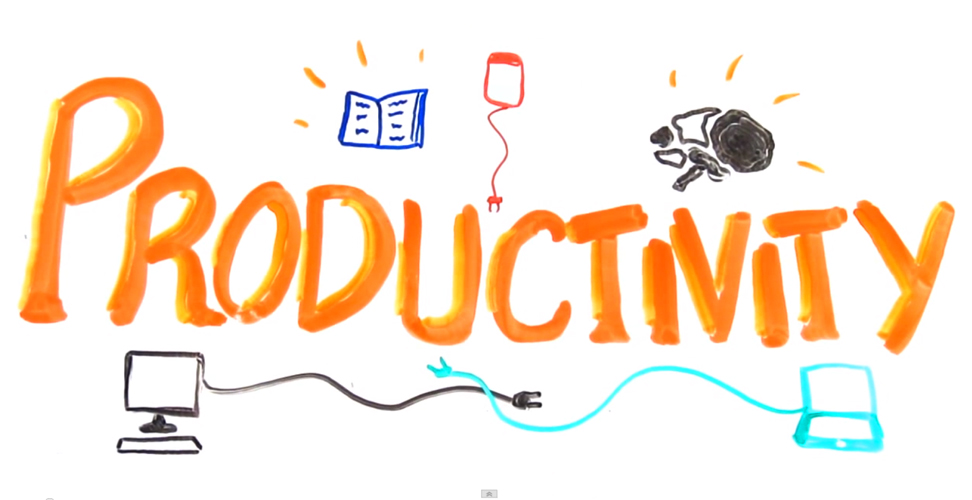
So, the first one is PRODUCTIVITY. When it comes to how much a translator can actually produce in a given workday, it goes without saying that too many a variable are involved, so let us focus only on the environmental one here. From working in-house, I found that there are certain things that can be inconvenient about being inside an office, surrounded by other people or professionals from different areas. Concentration breakers, such as overhearing talks and whispers of people around you or being interrupted by a fellow colleague who has a question (or just a comment on the weather) or by the door opening for mail delivery (without mentioning the telephone ringing almost non-stop) are less likely to happen at home. Not that these examples are necessarily bad things (I actually happen to enjoy them and find them important at times!), but, in the silence of your own home office, these things tend not to happen just as much. However, at home, for those living with stay-at-home family members (such as retired parents, siblings, children, spouses) we just can’t say that there’s unbreakable silence, right? In any case, being interrupted or having the train of thought lost by whatever reason it may be is something that people may consider as the primary factor to influence production, so if your productivity is significantly impaired by noise and distractions, you might find a lot of comfort working from home.

WORKDAY FLEXIBILITY. Some people tend to mention the working hour flexibility as the major perk of being a freelance translator. Schedule flexibility can be a reality, but that is not necessarily true every hour of every day. For instance, if you have few clients and are not near consolidated in the market, if you are at the initial stages of your career and still haven’t reached a somewhat fixed number of jobs a day, then you will probably be stuck at working when there’s work to do (nights, weekends or holidays too). But if that is not your case, yes you can have a very eventful life during weekdays and business hours, as long as you arrange your schedule and plan ahead of time. The word of order here is organization. One’s got to be extra, extra organized if they want to work from home and be self-employed. Remember: there’s no one pushing you forward, so you’ve got to do that yourself. If you have, say, a 9-to-5 job at a company, you’re usually guaranteed at least eight hours of work a day and you’ll stay there doing what is needed of you until the end of your work shift, when, more often than not, you will be “free” to go home and do your things. When you’re a freelance translator, however, those regular, specified and guaranteed working hours are not always a reality, so your schedule flexibility will depend on the jobs you have and their deadlines (and, if you have bills to pay at the end of the month, odds are that your expected schedule flexibility will be secondary to your dues).

BEING A REGULAR EMPLOYER versus BEING AN ENTREPRENEUR. I believe that this is the real deal-breaker for a professional translator to decide whether they can live as a freelance service provider for the long run or not. When you work for a company, its HR department will manage pretty much every aspect involved in the bureaucratic part of the employment relationship: collection, preparation and filing of documents; awareness and compliance with labor laws; collection, payment, deposit and transfer of fees, salaries, taxes, bonuses, vacation pay and rights, including the ever-so-needed FGTS (Brazilian Government Severance Indemnity Fund). When you are self-employed, you have to take care of all those things yourself and/or with the services of an accountant. On top of that, self-employed professionals will only “be paid” if they have work to do and, in order to have work to do, they need to develop their entrepreneurial side and literally go after the job; promote themselves and their work; explain and prove why they should be chosen over other professionals; advertise their services and, not rarely, almost literally dig the job from the mines. However, one might argue that this is no different than the reality of every other professional looking for a job. And I agree, but for self-employed translators, that’s the reality in most days, if not every day! There is an undeniable and material difference between working for a company and being the company yourself, in which case, you would need to take entrepreneurship to a whole new level. While some professionals will find this reality a bummer and extremely hard to deal with, others will find it challenging, stimulating, interesting and rewarding. I believe there is no real way to actually know for sure what suits you best unless you’ve experienced both ways. Believing you can be an effective entrepreneur may be proved right or wrong once you’ve experienced the real deal.

INTERPERSONAL RELATIONSHIP. Oh, the wonders of having co-workers by your side, keeping you company, interacting with you all day
 (or not! :)). Even though this aspect interfaces with the first one mentioned in this post, this is not about productivity, but mainly about human interaction and being comfortable at your workplace. Some people simply enjoy the company of others as they work, while other people prefer to work by themselves, in the quietness and peacefulness of their own offices, where they can turn the music on, up or down, eat at their desks, not worry about wearing fancy clothes and tight shoes, enjoy the comfortableness of using their own bathrooms, remain quiet if they don’t feel like talking or chatting, and, of course, inevitably revving-up their concentration into full blast productivity. Other people just can’t stand the quietness and solitude: they need company and, sometimes, even noise; they like arriving at the office and dispensing heartfelt “good mornings”, sharing a cup of coffee and cookies in the company of the next-desk friend, gossiping over the latest facts, hearing the latest news, well, ultimately bonding with others during their working hours. That full dose of every-day human interaction at work can be really important and necessary for some (most?) people. Having in-house co-workers can make it easier for people to exchange opinions, experiences, questions, problems, excitements, achievements, frustrations, discoveries; improve and increase their network; learn from other people’s mistakes, you name it. However, in spite of being able to do all that in person, face to face and fairly instantly in an in-house environment, that absolutely does not mean you can’t have most any of those things working from home and using real-time technology to connect you with other people. It all depends on your needs and approach as to how efficiently and productively you want to establish your interpersonal relationships and build a solid network. It is undeniable that there are ups and downs to both ways and that they are not perfectly interchangeable, but I believe that having healthy and productive interpersonal relationships is just as possible at home as it is in the office, if you make it.

Well, there are so many other issues to explore on this topic that I could just go on forever, but Ithought it was best to focus on these four aspects of the topic at hand (Libra as I am, you might figure how hard it was for me to actually make the choice). Please feel free to share your thoughts and comments below and/or contact me at marianasasso@gmail.com.

Best of luck!

Thanks a lot for accepting my invite and for dedicating your time and effort to writing this wonderful post, Mariana! I loved it! 🙂

Our next guest will be Sara Rivera, talking about translation traps between Spanish and Brazilian Portuguese. Stay tuned!

Any in-house/freelance translators who want to share their takes?

About the author
537306_505047499518394_307875091_nI graduated in Translations in 2005 and, soon after that, I moved to the USA where I lived, studied and worked as an AuPair for two years. I completed my specialization in Advanced Studies in English Language in 2012 and I have been working as both an in-house and freelance Eng-Por-Eng translator since 2008.

Love is in the Air

Image

As some (or all) of you know, I’m Brazilian. And in Brazil, Valentine’s Day (Dia dos Namorados) is on June 12. 

Besides, I’m single. 

No reasons to celebrate Valentine’s Day today or even to enjoy all the love being spread on the internet then, right? 

Wrong! 

I actually like Valentine’s Day. I do. Yes, the North-American one, celebrated today. 

In Brazil, the day is celebrated exclusively by those who have a girlfriend/boyfriend, husband/wife. Now that is boring, because, of course, it does not include me. However, the North-American one, on the other hand, embraces the idea of love. And love is not exclusive to lovers per se, but to friends and anything else you might actually… love! Now that includes pretty much everybody (unless you are a grumpy person that does not love absolutely anything). 

Because of that, I decided to treat you with a bonus post this week! I want to share with you my love for… 

  • Translation. I love my job! If you are a translator and also love what you do or if you are not a translator, but love your translator or simply support us, this is a great opportunity to spread the love! Have you already heard of these wonderful initiatives: Love Your Translator and Pro and Proud? Access the links, learn more and help us spread the love. 
  • You! My lovely readers who follow my posts, read them, share them, comment, follow me on social media. I ♄ you!

Here’s a Happy Valentine’s Day full of love to you all! 

My present to you is this great list of love-related articles. Enjoy!

Why writters and bloggers need a lot of love
Be my Valentine!
Do you heart your translation company? Why communication builds a strong relationship
Valentine’s Day: legend, traditions and tips to celebrate it
A whole lot of history behind ‘x’ and ‘o,’ kiss and hug
11 British Chat Up Lines for Single People to Use on Valentine’s Day
Valentine’s Day: How to Talk About Love

Does an academic background really make a difference?

Image

This is a quite controversial issue in the translation sector. Those who have an academic background categorically say it is essential, while those who do not, say it is not. With a BA and MA in Translation, I have to admit I am biased on the subject. Therefore, if you are like me, you will most surely like this post. If you have no academic background though, do not give up on me: keep reading. If I can make you change your mind, great! If not, you can share this post as the most absurd thing you have ever heard of. 😉 

You see, the thing is, unfortunately, in order to become a translator, you do not necessarily need to have a higher degree. If someone masters (or not) two languages, this person can work as a translator (please be aware that I am not discussing quality and professionalism here, just the fact that pretty much anyone can be a translator). As simple as that. If it is fair or not, that is a topic for another discussion. The fact is, since an educational background is not mandatory, people sometimes refuse to “spend” their time and money sitting on a chair, doing plenty of reading and writing, and practicing translating. 

After all, what’s the point in studying Translation? I’ll give you some reasons: 

  1. The theoretical knowledge you learn will help you build your translator self, your identity as a professional who knows about all the history and theories behind the art of transforming a bunch of words in one language into a beautifully crafted text in another.
  2. You will have plenty of practice translating several types of texts. This will help you have at least an idea of which path to take. Besides, it helps you learn some tricks, dos and don’ts.
  3. Grammar lessons. They may sound stupid and useless, but believe me: you do not know everything and you do make grammar mistakes you are not even aware of.
  4. Culture and literature lessons in both your working languages. And depending on your major, even other lessons. For example, my MA was in Translation Studies with Intercultural Communication, so I had, among others, Interpersonal Communication and Translating Cultures lessons.
  5. You get to learn more than you bargained for. I learned Italian in my BA (including for translation purposes), and Greek in my MA (Ab initio for translation purposes).
  6. It offers you recognition and validity. 

Are those reasons convincing? Well, some people say the bad thing about those courses is that they do not offer you a practical idea of the market. That is right, they don’t. However, I question if that is really the role of any university. The university only guides you. It is not its responsibility to give you every piece of information you need to be a successful professional. That is your job. Living and learning, with practice. Besides, it is better to be introduced in the market with all the background I pointed out above than with nothing at all.

Bottom line is there are no cons in taking a higher degree (in any field). Knowledge is never too much.

Some other related articles:
How (Not) to Be a Professional Translator and 6 Tips to Help You Become One (Fresh out of the oven. Alina also posted it today! Serendipity?)
The (un?)importance of translation-specific degrees to translation (also mentioned in Alina’s article)
Masters in Translation


What’s your opinion on the topic? Do you also have an academic background in Translation? Do you agree with me? Would you add any other good/bad points?

Guest post: Public Health translation

Hello, followers! Good to have you back!
Our guest series had a great start last week. I’m extremely happy you liked the idea. Thank you!
So here we are again with our next guest, Carolina Ventura, who is a professional translator in the Public Health domain.

Welcome, Carolina!

Image

Me, my translations and the Public Health field: a love story

First of all, I’d like to thank my friend and fellow translator Caroline Alberoni for inviting me to write a post about my experience as a translator for her blog! This is the first time I do something like this, and I can say that I’m enjoying every bit of it – to actually WRITE something instead of TRANSLATING something that somebody else wrote is wonderful for a change!

I decided to be a translator when I was 20 years old. In 1991, I was in my first year of the Biology undergraduate course at Universidade de São Paulo – USP (Brazil), but all of a sudden I understood why I had been so miserable since the beginning of the course: I’d made the wrong choice. I didn’t want to be a biologist after all – I wanted to study languages. In fact, I wanted to continue studying English, something that I’d been doing for the previous ten years at a private English school, but I didn’t want to be an English teacher. I wanted to be a translator.

I abandoned the Biology course and in 1992 I started the English Language and Literature Undergraduate Course at Pontifícia Universidade Católica de São Paulo (PUCSP). I majored in Translation and I’ve never been miserable about my choice in twenty years working as a professional translator!

I can say that I chose my career, but the translation specialty chose me. In my first year of the English course at university, my father, who is a professor at the School of Public Health of USP, told me that a fellow professor needed to translate a paper into English to publish it in an international journal, and asked me if I could do it. I accepted the challenge, the author liked the result, and she and my dad started indicating me whenever they had an opportunity. Some say that word-of-mouth communication is more efficient than advertising, and I must agree with it. Interestingly enough, the translation direction also chose me: I can say that 99% of what I do is translate from Portuguese into English, and 1% accounts for English -> Portuguese translations. It’s been like this since the very beginning, but I didn’t choose it.

So, I’ve been translating academic papers in the area of Public Health from Portuguese into English for the past 20 years. “Do I get sick of it sometimes?”, you might be wondering. Well, no! Within the Public Health area, you can translate a paper on perinatal mortality in hospitals of São Paulo on one day, then translate a study on malaria treatment among pregnant women in the Amazon region, and end the week translating a paper about the contributions of anthroposophical medicine to integrality in medical education. Besides enhancing my personal knowledge about a theme that I like (after all, I wouldn’t have chosen to study Biology if I weren’t interested in the Health Sciences, right?), I really enjoy helping to give international visibility to the research production of Brazilian scientists! I like to think about the role I play when papers about Brazil’s achievements (and also failures) in the Public Health area are published in international journals.

I also translate texts from other areas, mainly Education, Applied Linguistics, Communication and Business Administration. This surely helps me not to feel bored about my work, but nothing pleases me more than being asked to translate an academic paper in the field of health. When I translate texts from other areas, I have to spend more time doing research before I start translating, whereas when I must translate a public health text, all I have to do is sit in my chair, turn the computer on, and start translating the text right away!

I work for two kinds of clients, always as a freelance translator: individuals who wish to submit their papers to international journals and scientific journals that have their own translation teams. In recent years, I’ve been working on a regular basis for six Brazilian journals: one about Public Health, Education and Communication; one about Nursing; one about Physical Activity and Health; one about Human Growth and Development; one about Business Administration; and one about Brazilian cities and metropolises. My payment is made in three ways: the papers’ authors pay for the translations themselves; the journal is bilingual, so it pays for the translations; the journal and the author pay 50% of the translation cost each. Unfortunately, the payment made via the Institution that houses the journal can take much longer than expected – well, who said it would always be a bed of roses?

Do I use any CAT tools to help me translate the papers? As this is a fashionable topic nowadays, I feel I must approach it, so here it goes: no, so far I haven’t. I’ve already attended a couple of courses on CAT tools, but translating academic papers involves respecting the academic style, the style of the area (for example: public health papers are written differently from applied linguistics papers, both in terms of academic style and jargon), and the author’s idiosyncratic style, and I don’t think CAT tools are of much help here. Besides, my services are not hired through translation agencies, which means I don’t have to deliver translation memories and the like. I’ve asked some of my colleagues who work with me in the same journals about this, but they haven’t felt the need to use CAT tools so far. No client has ever asked us to translate their papers using TRADOS or memoQ. For the time being, our work can continue to be similar to that of an “artisan of words”, and I guess Google Translate won’t replace us in the near future. Obviously, necessity is the mother of invention, and it’s more than likely that we’ll have to adapt to the new reality soon – and I’m okay with this!

Well, this is the “love story” I wanted to share with you! I hope you’ve liked it! Please feel free to post any doubts or comments you may have!

It’s my pleasure having you as a guest in our blog, Carolina! It’s interesting to see how people have different starts in our profession, and learning more about the Public Health domain was also great! 🙂 Thank you for sharing your experience with us!

Our next guest will be Mariana Sasso, talking about freelance versus in-house translator. Stay tuned!

About the author
Foto para CarolineI have a BA in English Language and Literature (majors in Translation and Teaching) and an MA in Applied Linguistics and Language Studies from PUCSP (Catholic University of São Paulo). My Master’s thesis focused on the translation into English of Annual Reports released by a Brazilian retail company. I’m also a public sworn translator for the State of São Paulo, Brazil.

Boosting Productivity and Removing Distractions

In our last post, we talked about tools for minimizing the effects of working all day long in front of a computer. Today, we will see some tools for helping us keep focused and free of distractions.

Image

We usually spend 8 or 10 hours per day – or sometimes even more than that – in front of the computer. However, it is quite difficult and it requires an extreme effort and discipline to stay focused and not check your email every 5 minutes (or less!), check what your friends/colleagues are tweeting about, see what people are posting on Facebook, read that (giant) infographic about productivity (how ironic!) on Google+, see who has viewed your LinkedIn profile, chat on Skype about your weekend adventures with a friend, browse Pinterest to find something cool, watch Beyoncé’s new video clip on YouTube, see who has commented on your blog. Phew! Talk about distractions! And the list goes on. Besides distracting and not allowing you to focus on your work, those are dangerous time-wasters if you are not careful.

Well, if you are one of those addicts who have a hard time keeping yourself away from online distractions, it may be a good idea to go hardcore.

StayFocusd is a Google Chrome browser extension that limits the time you spend on sites that, as predetermined by yourself, make you waste your time. Set the maximum amount of daily time you allow yourself to spend on each site and, after that, you are not allowed to access any of them for the rest of the day.

It is scientifically proven that our brain remains attentive only for a limited amount of time (and on a limited amount of information). To avoid overloading our brains with information or working long hours on a task non-stop, it is advisable to split your time in productive chunks and breaks. You can actively work for say 25 minutes knowing that you will have say a 5 minute-break to do whatever you prefer. After all, rewarding yourself is also important.

Strict Workflow is a Google Chrome extension similar to the Pomodoro technique – but as the name says – stricter. It enforces you to work 25 minutes in a row, blocking a list of websites set by you. After that period is over, you are allowed to access those blocked websites for 5 minutes. You can repeat that as necessary and change the timer duration.

Now if you want to have a better idea of the time you spend actually working and the time you spend on social media and the like, the software Visual TimeAnalyzer tracks all your computer usage (work time, pauses, internet use, etc.) and provides detailed reports of all your activity. You can find out how much time you spend on Facebook, working on projects, and even daydreaming!

If you just need to focus on writing your blog post, preparing your next presentation or writing a book, Ommwriter is a free text editor app for Mac OS (CreaWriter for Windows) that runs in full screen. You can change the font type and size, and the background image. Just indulge yourself in a calm distraction-free environment to be highly focused on your writing only.

Good luck and stay productive!

Do you know any other tools that help us keep up the good work and stay aways from distractions? Don’t be shy and share your thoughts with us.

Guest post: Proofreading (in Portuguese)

Hello, dear followers! Today we start February with exciting news in our blog: kicking off a guest series. I have invited friends and fellow translators to write about something they are good at, passionate about or simply related to their area of expertise. The idea popped up because many of them work in specific domains, and I thought it would be interesting if we had them talk about it to know more about other fields as well.
Our first guest is Beatriz Camacho, who is a professional proofreader and will be talking about her job (in Portuguese).

Welcome, Beatriz!

Image

O (incompreendido) revisor

O perfil do profissional

Dizem por aí que todo revisor sofre de TOC. Serå? Piadinhas à parte, ser detalhista é sim condição fundamental para quem almeja seguir a profissão.

E, alĂ©m do alto grau de atenção aos detalhes, gostar de ler tambĂ©m deve fazer parte do pacote. Mas gostar somente nĂŁo basta; tem de amar. Incondicionalmente. Afinal, vocĂȘ alternarĂĄ seus dias entre vampiros, zumbis, fĂłrmulas quĂ­micas, mapas, receitas de bolos, milionĂĄrios sadomasoquistas e nĂŁo terĂĄ como fugir!

Recomenda-se ainda ao revisor cultivar um viveiro de pulgas atrås da orelha: duvidar de tudo e de todos. Nenhum dado ou grafia pode passar batido. Ao menor sinal de desconfiança, deve-se deixar todas as supostas certezas para trås e pesquisar como se não houvesse amanhã.

E, tocando num ponto delicado: como saber a hora (e a real necessidade) de intervir no texto e a hora de respeitar as escolhas alheias? Revisor sofre…

*pausa dramĂĄtica*

Bom, vamos lĂĄ: como agir numa situação em que vocĂȘ precisa ter um olhar crĂ­tico sobre um texto e, ao mesmo tempo, aceitar escolhas de outras pessoas, mesmo nĂŁo concordando com elas? Bom senso. FĂĄcil assim? Hum… mais ou menos. Na revisĂŁo, a prĂĄtica nĂŁo leva Ă  perfeição (o que me mata de catapora!), mas pelo menos nos ensina a tomar algumas decisĂ”es mais conscientes e maduras, como o desapego. No inĂ­cio, Ă© difĂ­cil pro revisor entender/aceitar que ele nĂŁo precisa necessariamente mexer em tudo (mostrar serviço, poxa!). Mas que tambĂ©m se nĂŁo mexer em nada deve desconfiar de que hĂĄ algo errado (sempre haverĂĄ erros!). Esse meio termo Ă© o que embola tudo e, Ă s vezes, acaba deixando autores/tradutores com raiva!

Mas vamos com calma, gente!  Depois de alguns anos de experiĂȘncia, aprendi basicamente que: o que for facultativo deixa como estĂĄ; se quiser incluir alguma sugestĂŁo que vocĂȘ considera relevante, um recadinho a lĂĄpis (ou balĂŁo de comentĂĄrio) nĂŁo faz mal a ninguĂ©m, mas quando houver ERRO… aĂ­ pode baixar a Stabilo vermelha!

Por fim, precisamos ter em mente que cada profissional tem seu papel dentro do processo editorial, o que parece Ăłbvio, mas na prĂĄtica nĂŁo Ă© bem assim. O revisor Ă© o primeiro leitor de uma obra. Um leitor mais crĂ­tico, uma espĂ©cie de filtro para o pĂșblico. É ele quem vai escolher palavras, ajustar frases, corrigir vĂ­cios de linguagem, enfim, deixar o texto fluido na lĂ­ngua nativa do leitor comum.

Uma revisĂŁo criteriosa, mais que simples perfumaria, Ă© o cartĂŁo de visitas de um livro.

O trabalho

De um modo (bem) geral, o trabalho do revisor consiste em corrigir erros ortogrĂĄficos e gramaticais.

Ah, se fosse sĂł isso… *suspiro profundo*

Agora, inclua aĂ­: verificar coesĂŁo e coerĂȘncia, eliminar traços remanescentes da lĂ­ngua estrangeira, ambiguidades, repetiçÔes e vĂ­cios de linguagem, analisar a disposição dos elementos na pĂĄgina (se nĂŁo hĂĄ buraco ou estouro), conferir os pesos dos tĂ­tulos e a paginação, bater o sumĂĄrio com o miolo, acertar o tamanho das letras e as fontes etc. etc. etc.

UFA!

Viu, gente? NĂŁo Ă© sĂł trocar ‘esTe’ por ‘esSe’, nĂŁo!

E é importante mencionar que os trabalhos citados acima, na maioria das vezes, são divididos em etapas: preparação (copydesk), primeira revisão, segunda revisão, releitura e controle de qualidade. Nem sempre todas elas são contempladas no processo, seja por falta de orçamento ou prazo, o que impossibilita uma divisão exata da função do revisor em cada uma.

Perspectiva de carreira

O campo de atuação do revisor Ă© extenso: editoras (livros em geral, revistas, jornais, material didĂĄtico), agĂȘncias de publicidade, universidades, escolas, agĂȘncias de tradução, produtoras editoriais, grĂĄficas etc.

As editoras literårias (sonho de consumo de 9 entre 10 revisores) não costumam contar com uma equipe interna. Geralmente, o trabalho é terceirizado, por meio da contratação de freelas. Jå em editoras que trabalham com livros didåticos, é muito comum haver uma equipe contratada trabalhando internamente.

A carga horĂĄria do revisor deve ser de 6 horas por dia, segundo norma do sindicato, mas nem sempre isso acontece.

Bom, acho que Ă© isso…

Gostaria de agradecer à Carol pelo convite e parabenizå-la pela iniciativa de discutir assuntos que envolvem a tradução.

Espero que tenham gostado! E caso tenham alguma dĂșvida ou queiram conversar mais sobre o assunto, meu e-mail Ă©: beatrizfcamacho@gmail.com.

You’re more than welcome, Beatriz! Thank you for being so kind and enthusiastic about my invitation (and for being the first guest). I loved learning more about the life of a proofreader. 🙂

Our next guest will be Carolina Ventura, who will be talking about medical translation, on February 11. 

Are there any other proofreaders out there that would like to add something? Please feel free to share your thoughts.

About the author
ImageSou graduada em Tradução e mestre em LinguĂ­stica pela Unesp. Desisti de seguir na carreira acadĂȘmica e, em busca da minha real vocação, acabei descobrindo que a tradução era apenas a porta de entrada para o incrĂ­vel mundo editorial. Hoje, oficialmente, sou revisora de livros didĂĄticos, mas tambĂ©m edito, preparo e traduzo, como freelancer, para vĂĄrias editoras.